
Affordable SEO content optimization: improve a page without stacking subscriptions
A page does not improve just because it has more text. It needs clearer answers, stronger explanations, better structure, and natural writing. Rankerfox helps combine several tools to turn a draft or weak page into a stronger version.

The right use is to keep the page readable while making it more complete. Scores and suggestions are signals; the final decision remains editorial.
Why treat content optimization separately?
After choosing a query, many pages still feel thin, vague, or poorly organized. Optimization helps fill the gaps without turning the copy into a random list of added terms.
A score helps you orient yourself, but it does not replace clarity, examples, and coherent writing.
Readers often need a definition, comparison, proof, limitation, or short answer before deciding.
Two pages can cover the same ideas, but the better organized one is easier to read and improve.
A final pass prevents repetition, heavy phrasing, useless additions, and artificial sections.
A simple method for improving content without distorting it
The goal is not to rewrite everything. Find what is missing, enrich useful sections, check clarity, and publish a cleaner version.
Step 1
Start from a real page
Analyze a URL, draft, or service page to understand what already exists before adding anything.
Step 2
Read the gaps
Spot missing ideas, unanswered questions, weak examples, and sections that need more substance.
Step 3
Enrich with judgment
Add definitions, proof, limits, selection criteria, concrete cases, and useful answers for the reader.
Step 4
Reorganize the page
Move, merge, or cut passages so the reading path becomes more logical.
Step 5
Improve phrasing
Rewrite heavy sentences, repetitions, and transitions to keep the page fluid.
Step 6
Check before publishing
Read the page like a visitor: is it clear, useful, complete, and aligned with the offer?
Rankerfox tools that help with content optimization
Each tool supports a different moment: framing, enriching ideas, spotting gaps, correcting, rewriting, or prioritizing updates.

Content guides, coverage scores, important terms, and final checks before publishing.

Text analysis, ideas to add or remove, questions, score, and intent checks.

Semantic enrichment, content ideas, and reader expectations to cover better.

Content Gap, visibility, audits, architecture, and update decisions across pages.

Grammar, rewriting, summarizing, and readability checks during the final pass.
Previews that make optimization concrete
These visuals show the different steps: guide, score, words to review, content gap, and proofreading.
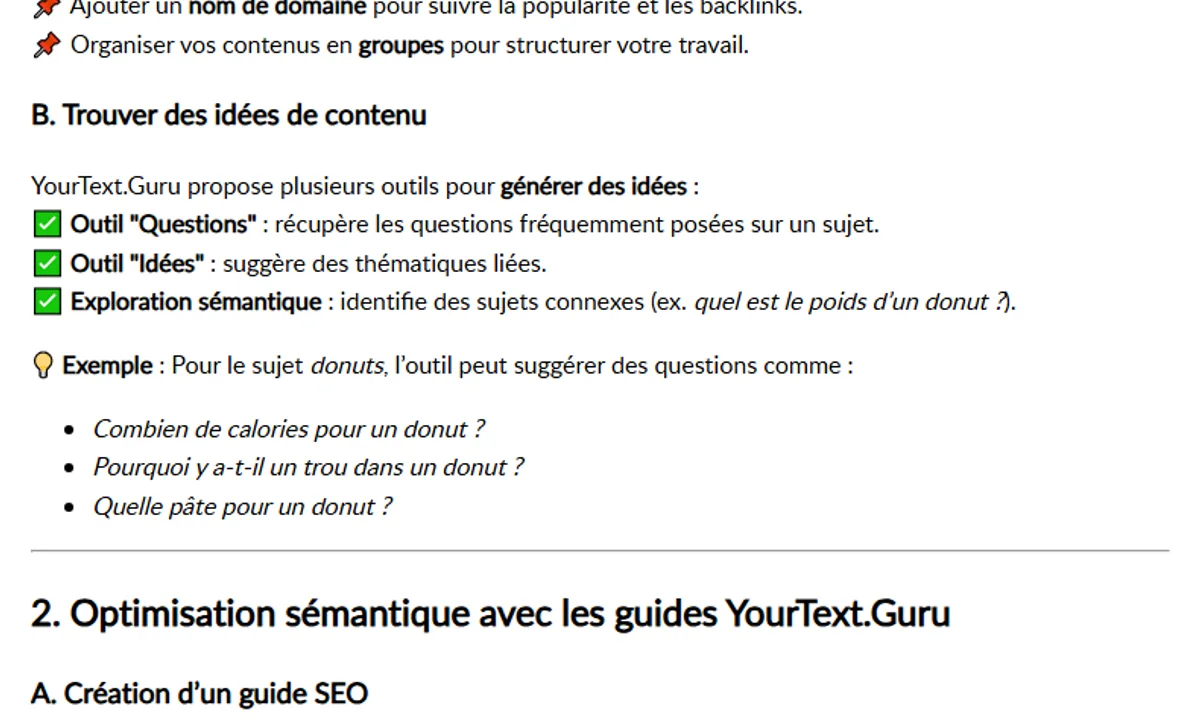
Frame the themes to cover before editing or writing the page.
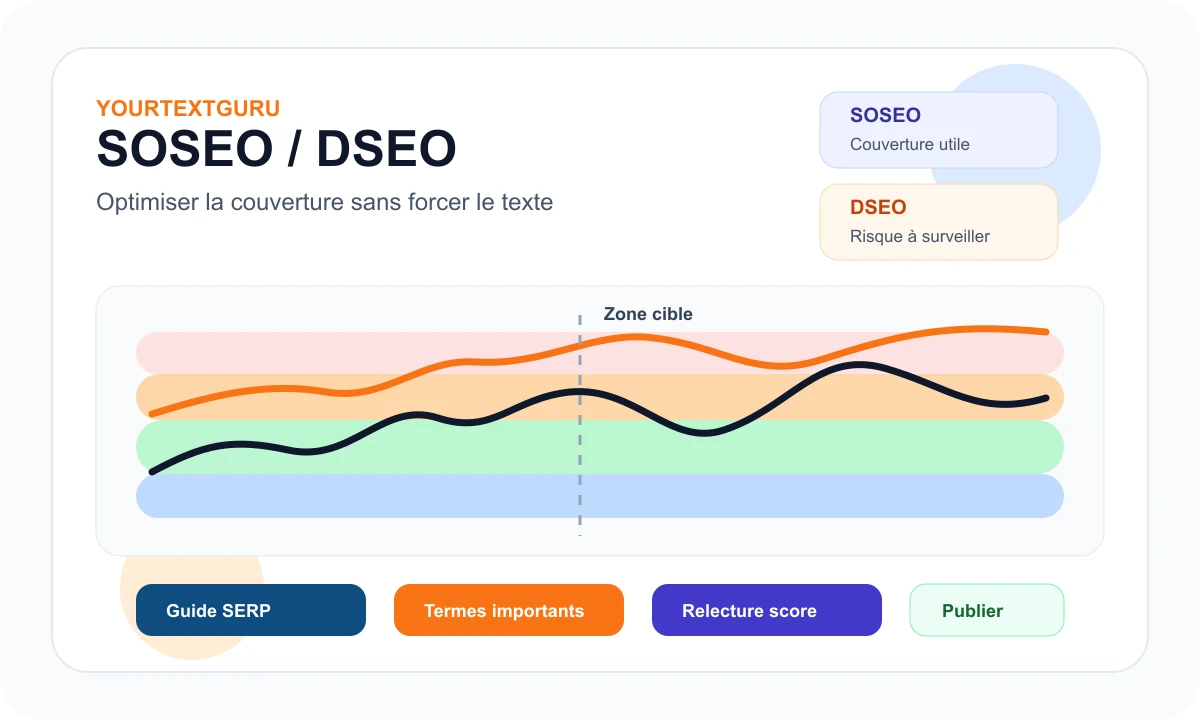
Understand whether the text covers the subject well enough without losing readability.

Spot what is missing, what is too heavy, and what deserves a real explanatory sentence.
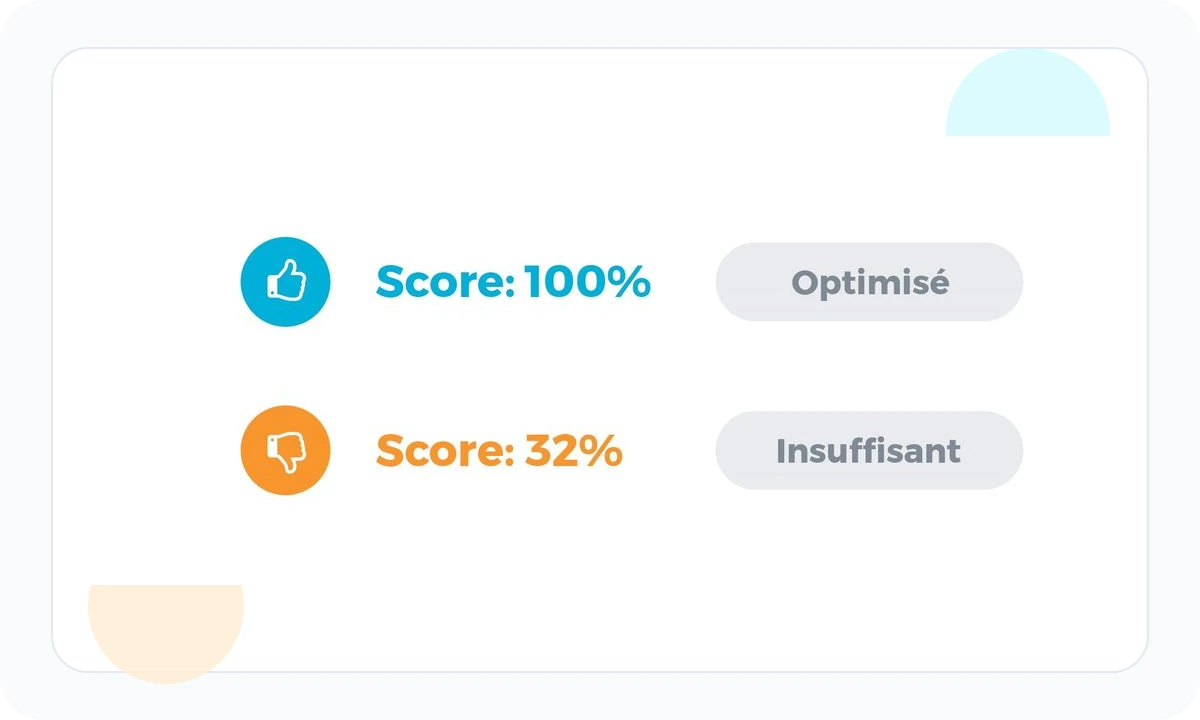
Follow page improvement while keeping a human view of quality.
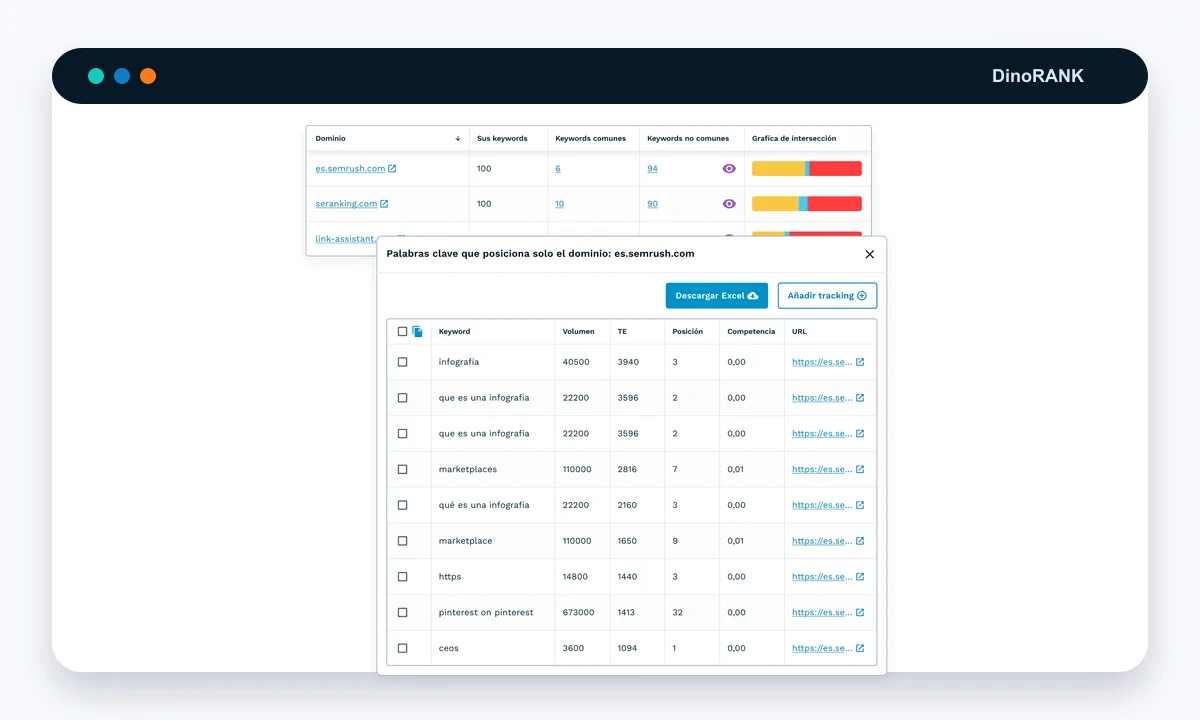
Compare what the page already covers with what the market expects around the subject.

Correct sentences, simplify reading, and finalize the version to publish.
Three cases where improving beats starting over
The base is there, but examples, short answers, selection criteria, or a clearer structure are missing.
It is often better to strengthen the existing page before creating another very similar URL.
Optimization then helps clarify the offer, remove doubts, and make the choice easier.
Continue improving
Choose the queries to work on before optimizing a page.
Check technical health, weak pages, and correction priorities.
Understand the links, anchors, and competitors influencing a page.
Prepare a guide and check content coverage.
Analyze text and spot ideas to add or remove.
Affordable SEO content optimization FAQ
Useful answers before improving a page with Rankerfox tools.
Improve your pages with the right Rankerfox tools
Compare pricing, choose the right access level, and use Rankerfox content tools to turn weak pages into more useful content.
View pricing