

Sell The Trend with Rankerfox
Use Sell The Trend to research winning products, read dropshipping signals, compare active stores, and prepare ecommerce tests with more context before spending budget.
Research
NEXUS AI
products, niches, demand signals, and traction
Monitoring
Ads + stores
TikTok, Facebook, stores, and competitors
Workflow
Product + test
sourcing, import, margin, and offer validation
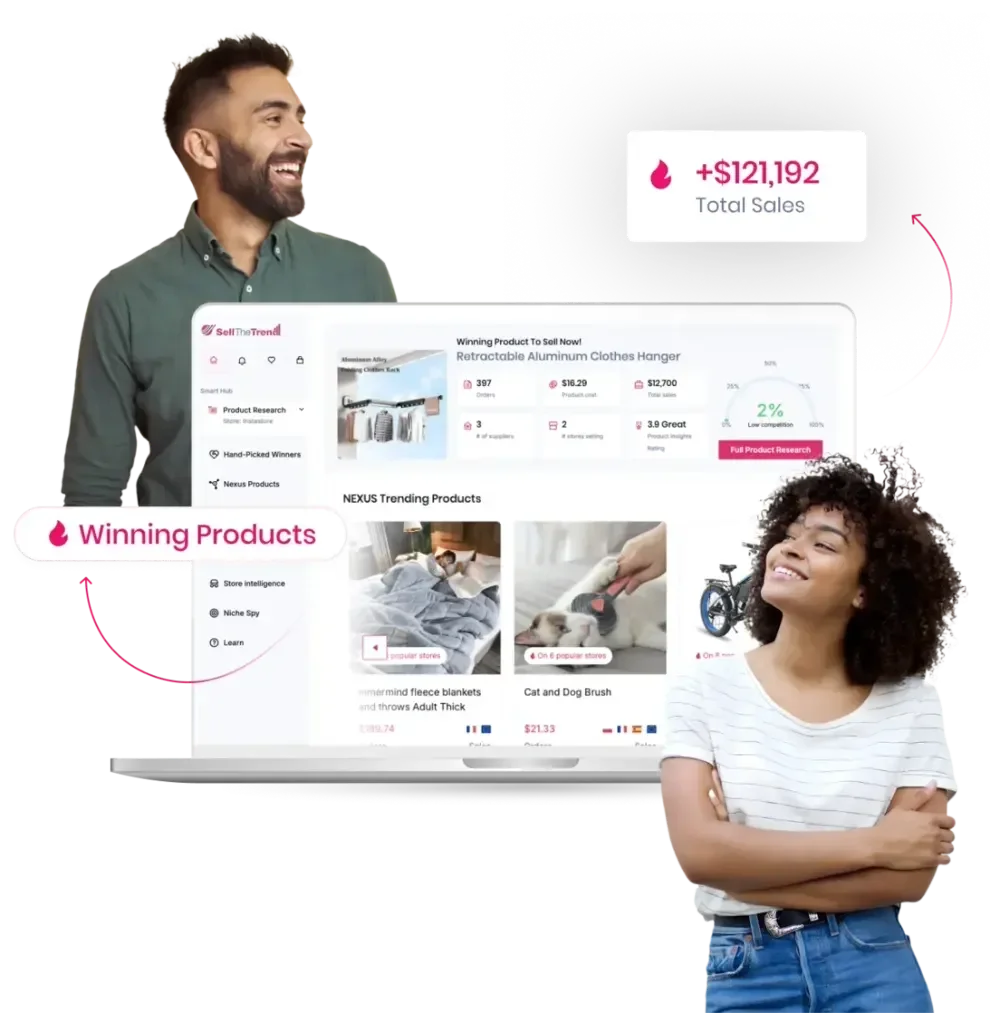
Why Sell The Trend completes Minea and PiPiADS
Minea helps monitor the advertising market, PiPiADS goes deep on social creatives, and Sell The Trend brings the analysis back to product validation. The goal is to connect an ad idea to a niche, a store, a possible margin, and a clearer test plan.
Spot products with traction, compare categories, follow recent additions, and avoid working from intuition alone.
Use the research layer highlighted by Sell The Trend to discover product and niche ideas faster.
Read TikTok and Facebook ads attached to a product idea to understand hooks, angles, and visual proof.
Review stores, their products, estimated traffic signals, and activity before judging an opportunity.
Prepare the move from research to store execution with product information, visuals, descriptions, and variants to verify.
Check the fit between idea, supplier, delivery time, margin, and ability to fulfill before scaling.
A tool built to move from signal to product test
Sell The Trend public previews show a complete workflow: discover a product, verify NEXUS signals, read ads, inspect stores, then prepare import, suppliers, and execution.
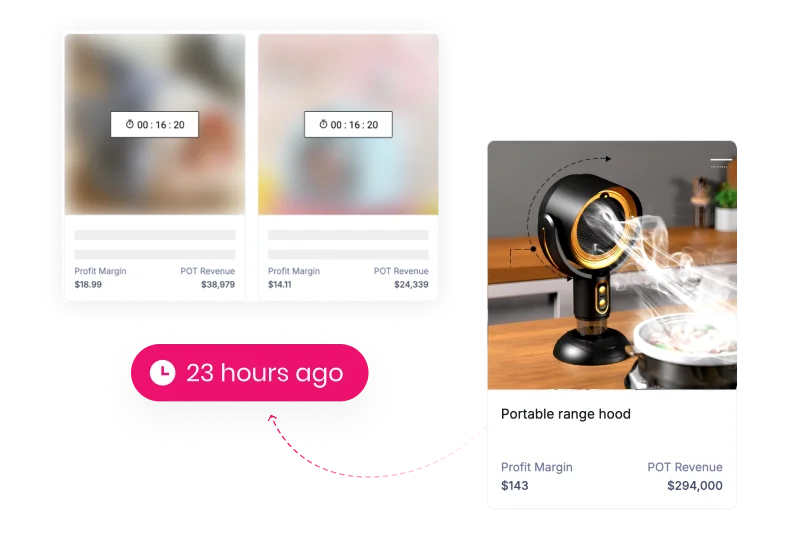
Product research helps compare several ideas in one place: margin, freshness, category, perceived demand, and commercial potential.
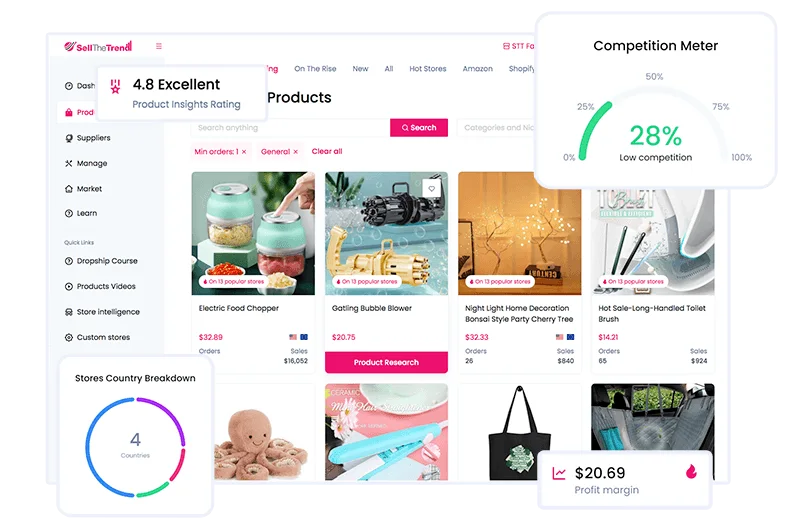
NEXUS gives a more structured product read: score, competition, countries, related stores, and early commercial signals to verify.
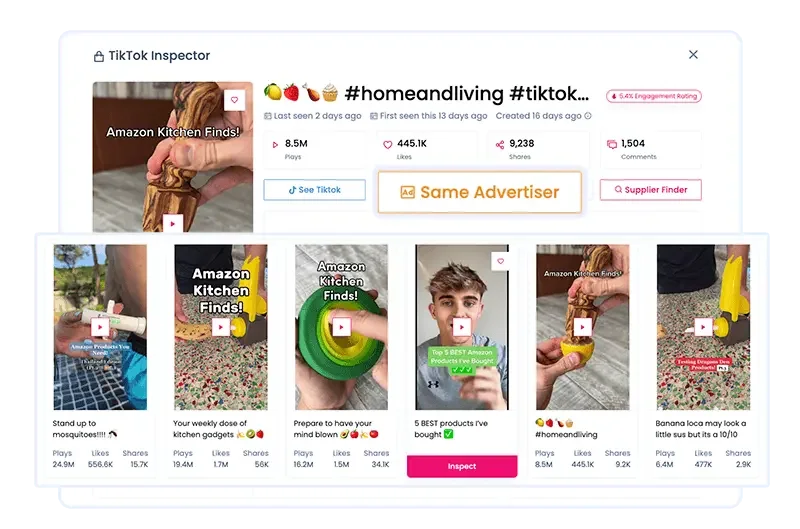
TikTok AdSpy helps show whether a product is driven by demonstration, UGC, a short promise, or repeated ad angles.
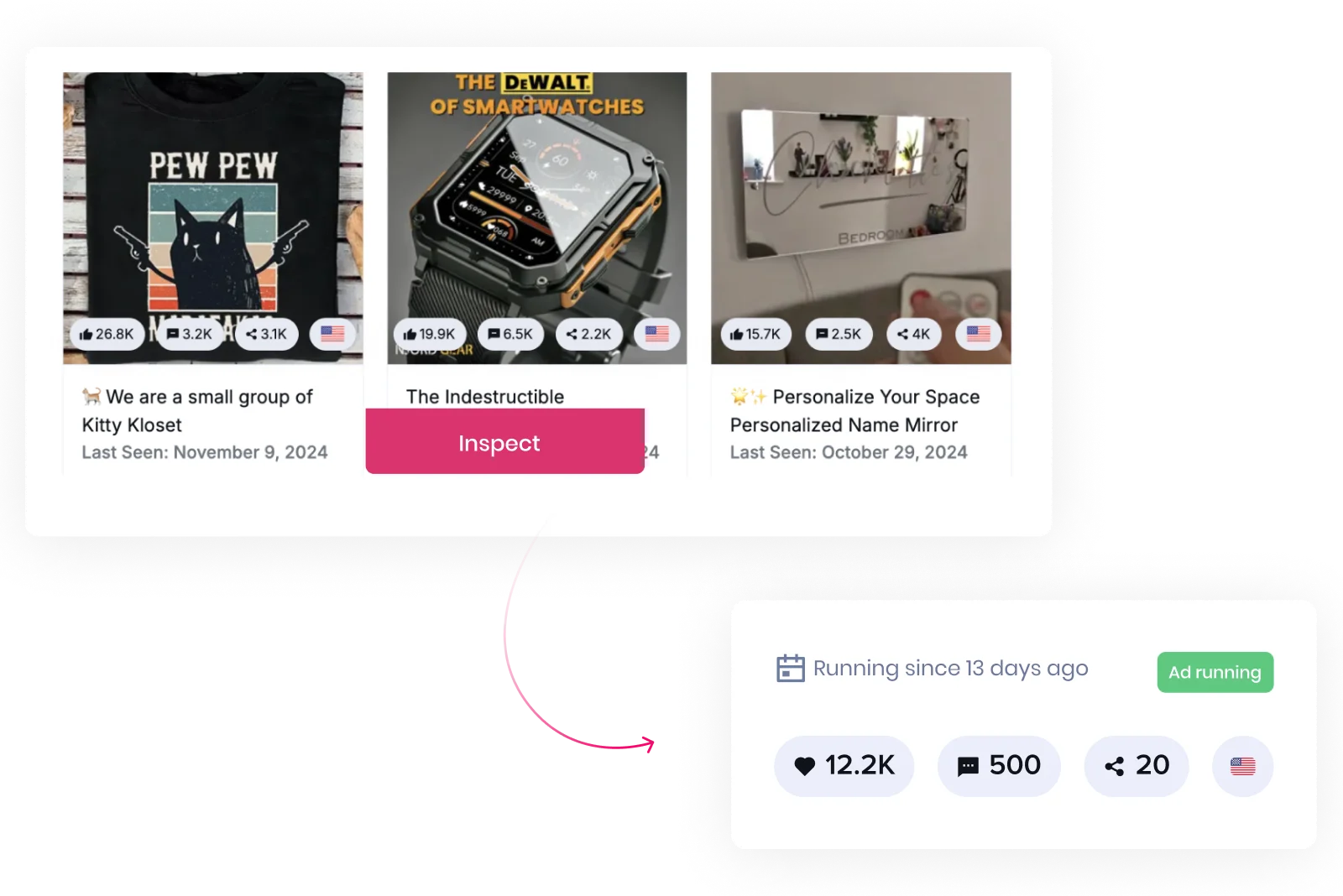
Facebook reading completes TikTok: you can see whether an idea also circulates on Meta, whether ads keep running, and which formats return.
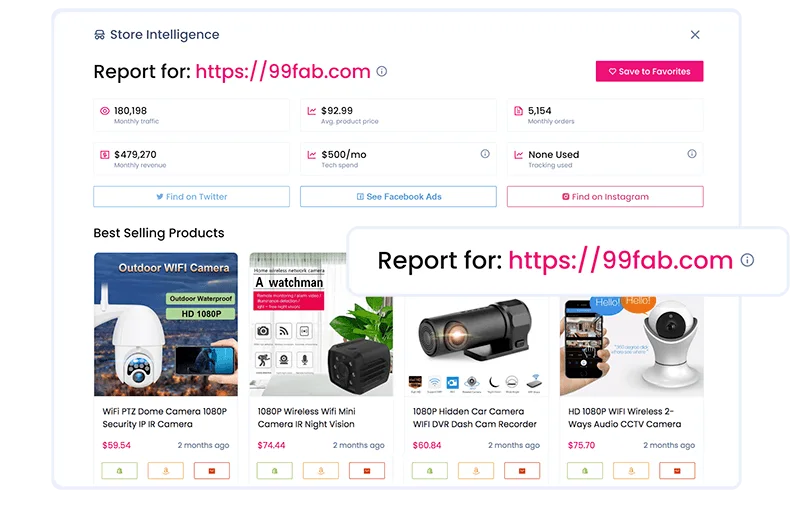
Store Intelligence gives a more business-oriented view: active store, highlighted products, traffic signals, offer, and commercial rhythm.
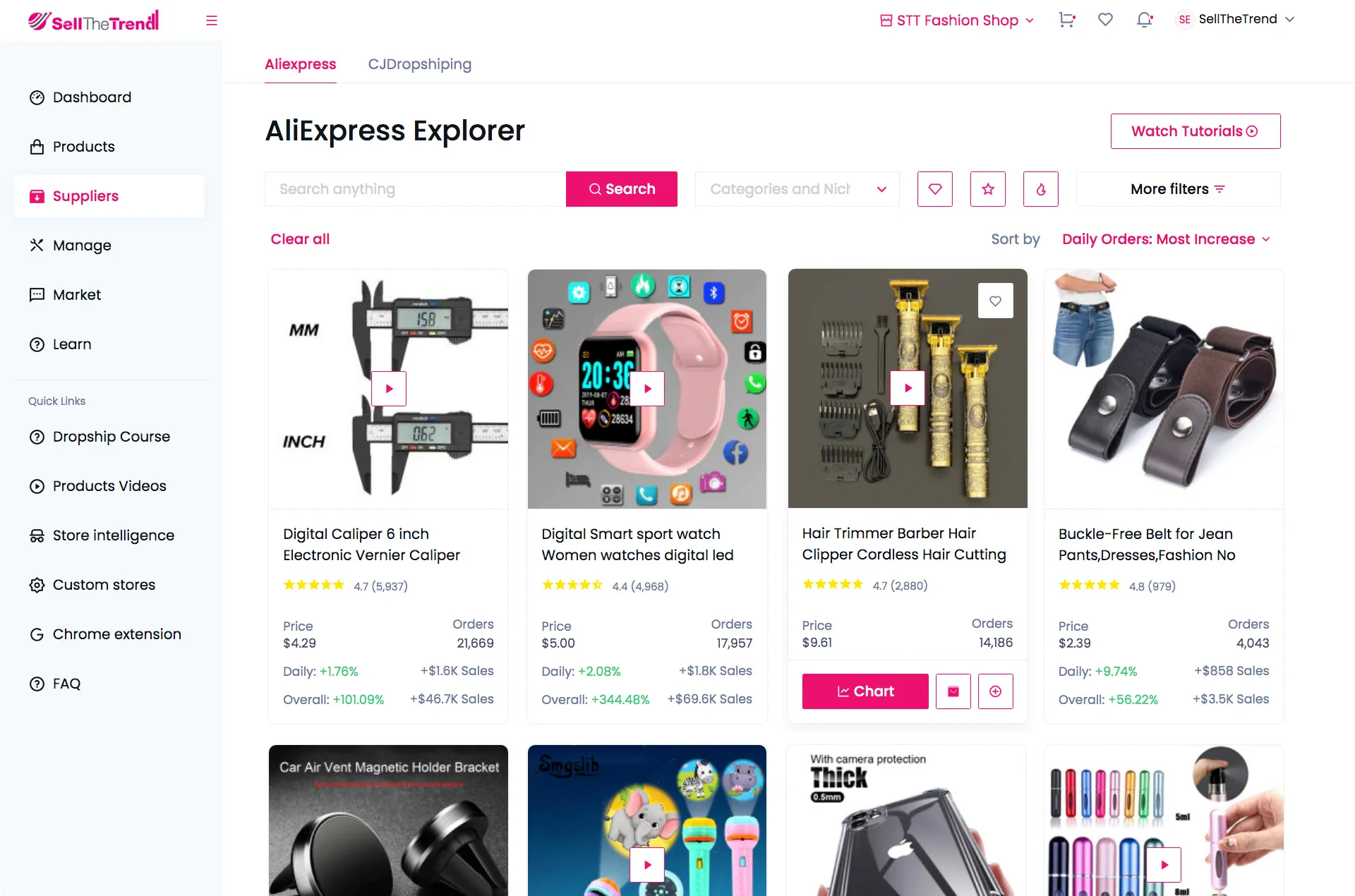
AliExpress Explorer helps move from inspiration to concrete product checks: price, availability, variants, and early sourcing leads.
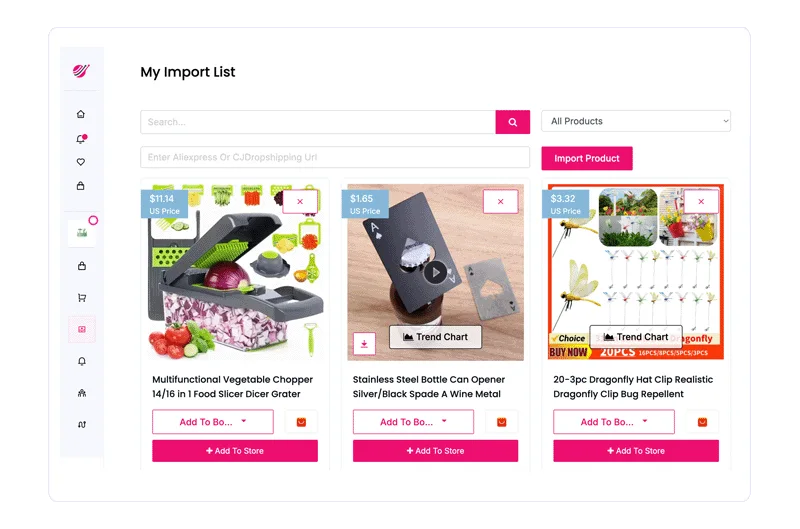
The import list keeps selected products in one workspace before turning them into cleaner store-ready product pages.
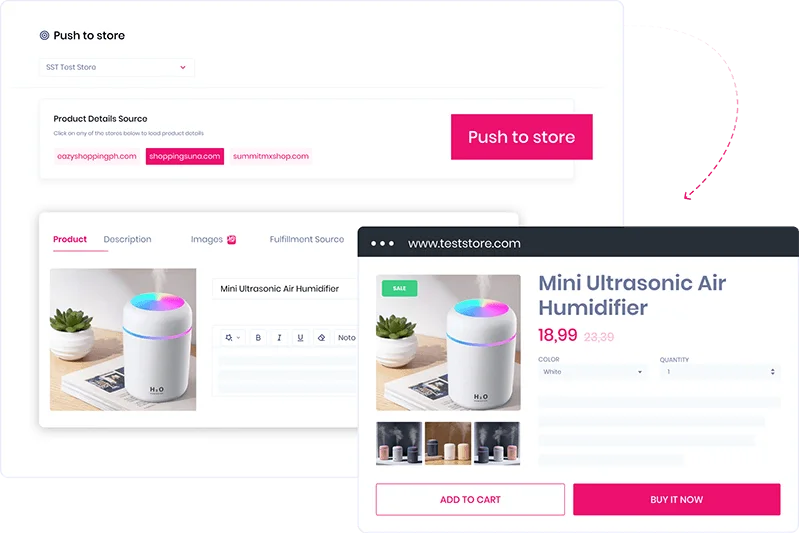
The store step helps prepare title, visuals, description, variants, and price before testing the offer in real conditions.
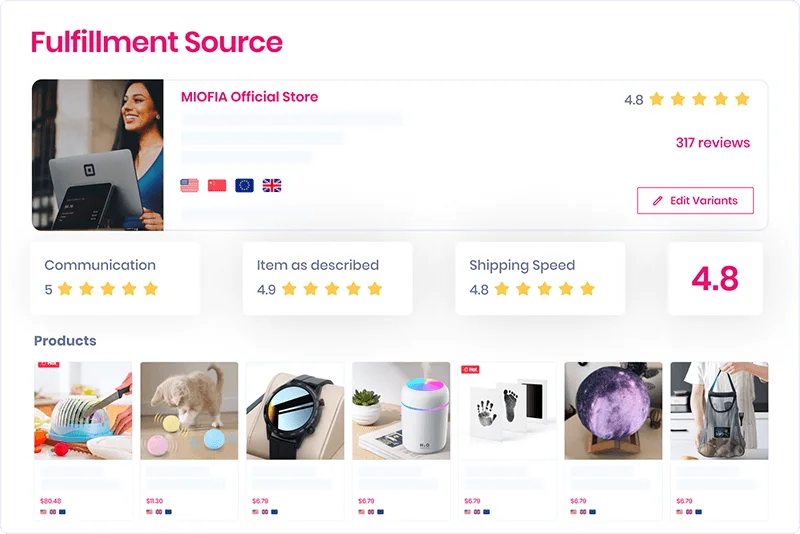
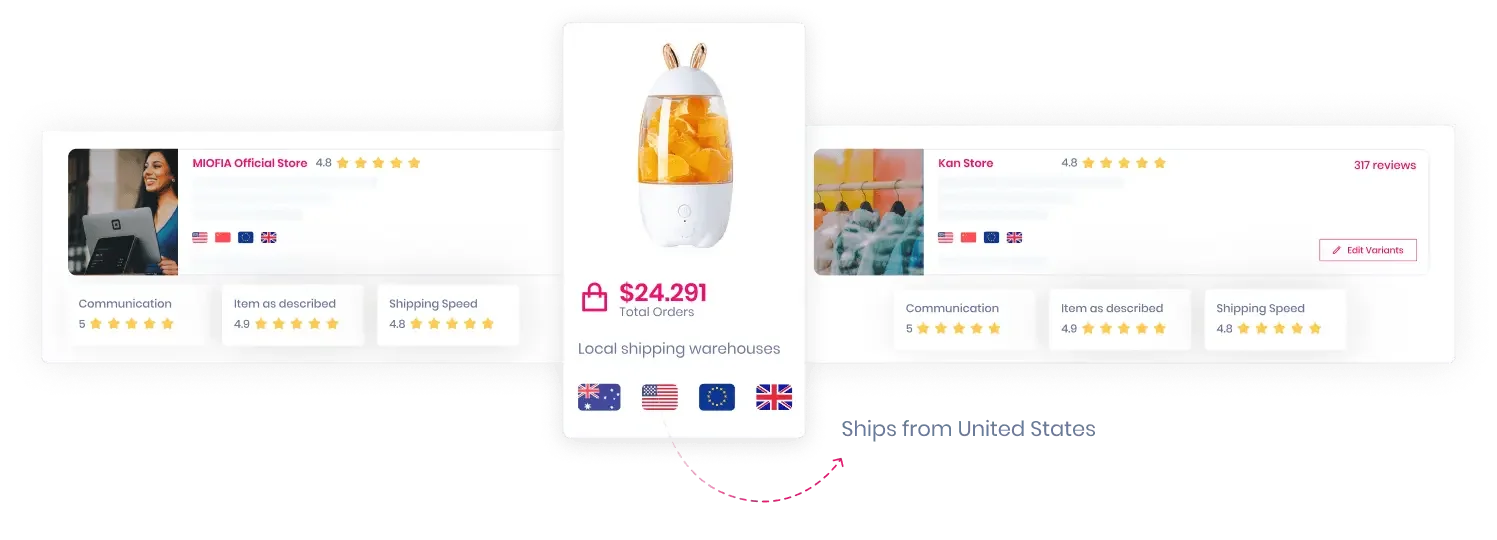
Supplier reading gives a quick view of reviews, variants, countries, related products, and perceived quality before committing.
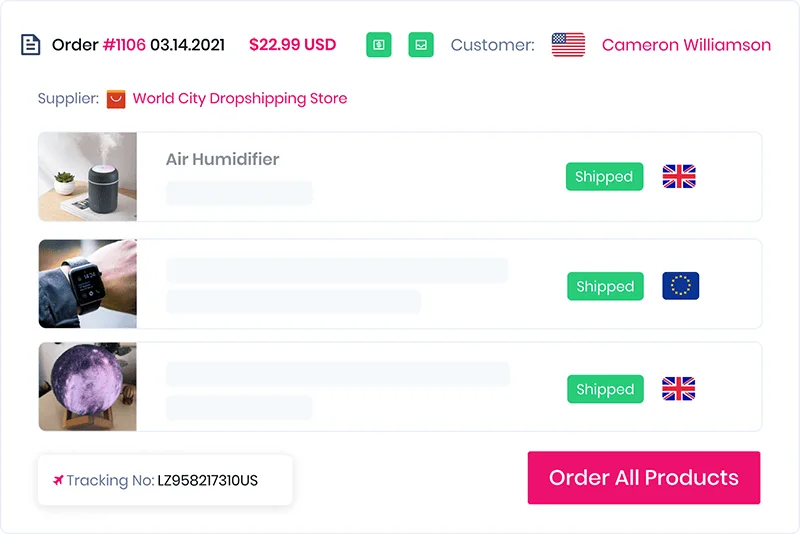
Order tracking is a reminder that a product idea only matters if execution follows: stock, shipping, tracking, and customer experience.
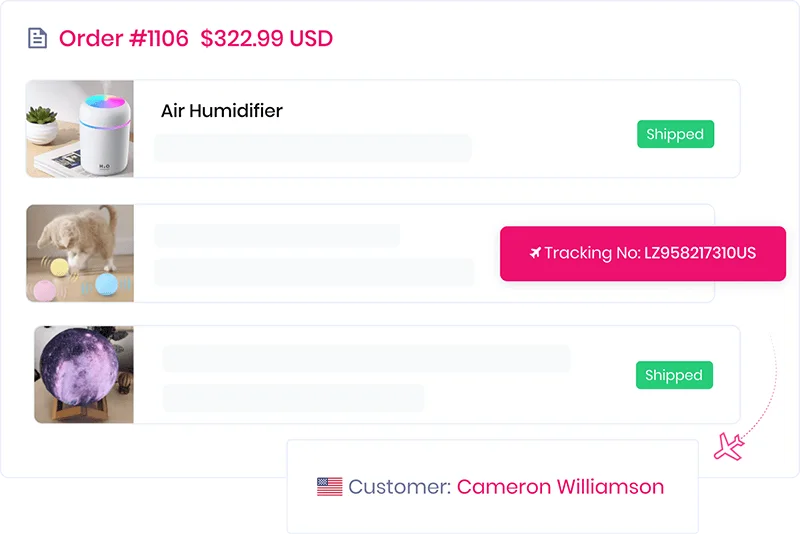
Inventory and tracking sync help monitor what happens after launch, when sales and logistics become the real test.
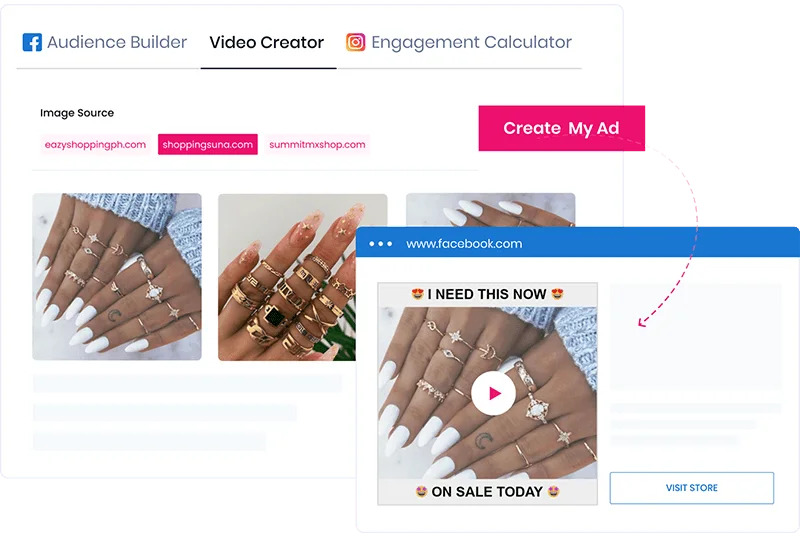
Marketing tools extend product research into variants: audience, video, engagement, and ad elements to test.
Where Sell The Trend becomes genuinely useful
Before creating a store or product page, the tool helps check whether a niche shows repeated signals.
Spotted ads and stores help frame the hook, promise, visual proof, and landing page before production.
When several products look attractive, Sell The Trend helps prioritize by margin, visible interest, and feasibility.
Store analysis helps show which products keep returning, which disappear, and how the offer is structured.
Value comes from repetition: spot, filter, document, test, then return to the signals that keep confirming.
A product with traction can also become a guide, comparison page, category page, or short-form content idea.
What to verify before trusting a winning product
A product visible inside a tool is not enough. A better decision comes from combining demand, margin, competition, creatives, sourcing, and offer consistency.
Visible demand: several ads, stores, or product signals are stronger than one isolated example.
Realistic margin: purchase price, delivery fees, ad cost, returns, guarantees, and likely net margin.
Product freshness: a recent signal can be interesting, but it must be read as either a spike or a more stable trend.
Creative saturation: if every ad says the same thing, find a different proof, audience, or angle.
Supplier quality: delivery times, variants, stock, photos, product consistency, and ability to keep the promise.
Landing page quality: offer, proof, price, reassurance, shipping, and checkout simplicity need to work together.
Where Sell The Trend fits into ecommerce work
Sell The Trend is most valuable when it is not isolated. It sits between ad monitoring, product research, sourcing, and store preparation.
Product Research
UseFind products, filter categories, compare signals, and build a first shortlist.
Use it early, when you need to turn an intuition into ideas you can verify.
TikTok and Facebook AdSpy
UseReview creatives, advertisers, formats, hooks, and repetition to understand why a product is circulating.
Use it before producing the first videos or ad variants.
Store Intelligence
UseRead active stores, related products, traffic signals, and offer elements around a niche.
Use it to compare a product to a real commercial environment, not only to an ad.
Import and execution
UseMove from idea to usable product page, then check suppliers, content, variants, and orders.
Use it when the product deserves a test and execution needs to stay organized.
A simple method for using Sell The Trend
The best use is to move every idea through a decision funnel: discovery, validation, comparison, then test.
Spot signals
Search by niche, product, category, or store, then keep only ideas that return across several views.
Filter feasibility
Review margin, supplier, delivery time, competition, seasonality, and product-page complexity.
Choose an angle
Turn observations into a clear promise: solved problem, demonstration, proof, objection, and offer.
Test cleanly
Launch a small test with distinct creatives, a coherent page, and signal tracking before expanding.
How to read Sell The Trend signals
The tool is not about one magic answer. Its strength is placing several clues side by side so you can decide what is worth testing.
Product margin
It shows whether the idea can absorb purchase cost, shipping, ads, returns, and discounts.
Compare supplier price, credible sale price, and likely acquisition cost.
Potential revenue
It gives a commercial order of magnitude, but remains a signal to verify.
Cross-check it with real demand, active stores, and observed ad quality.
Active creatives
Several variants can show that an angle is being worked or that a product still gets attention.
Identify what changes between videos: hook, proof, format, price, audience, and promise.
Stores found
Stores provide context: catalog, offer, pricing, proof, shipping, and positioning.
Separate what can be executed cleanly from what depends on an already established brand.
Suppliers
A good product signal can fail if sourcing does not hold up.
Check timing, variants, perceived quality, stock, photos, and consistency with the promise.
Sell The Trend's role inside the Rankerfox ecommerce block
The ecommerce tools do not all answer the same question. Their value comes from combining ad monitoring, product validation, and marketplace analysis.
Useful for monitoring ads, stores, products, and broad ecommerce signals at scale.
Use it upstream to spot a market movement or product family.
More focused on social creatives, TikTok/Meta hooks, and ad-format reading.
Use it when the video or UGC angle becomes decisive for the test.
Brings analysis back to product, store, sourcing, import, and dropshipping validation.
Use it to turn a signal into a shortlist of testable products.
More marketplace-oriented, with Amazon sourcing, margins, and product opportunity analysis.
Use them next to expand the cluster toward Amazon and marketplace decisions.
Which Rankerfox access includes Sell The Trend?
Sell The Trend is presented as one of the newer Rankerfox Premium plan additions, alongside Minea, PiPiADS, SellerAmp, and Jungle Scout for the ecommerce block.
The simplest path is to start with the €1 trial for 7 days, then choose Premium if your work needs this dropshipping and product-research layer.
Questions about Sell The Trend with Rankerfox
Useful clarifications before adding it to an ecommerce routine.
Add Sell The Trend to your ecommerce monitoring
Compare Rankerfox plans and choose Premium if your routine needs product research, dropshipping signals, competitor stores, and validation before testing.