
Affordable backlink analysis: read links before starting link building
A link profile is not judged by backlink count alone. You need to understand referring domains, anchors, quality, freshness, topical fit, linked pages, and the signals that may explain growth or decline.
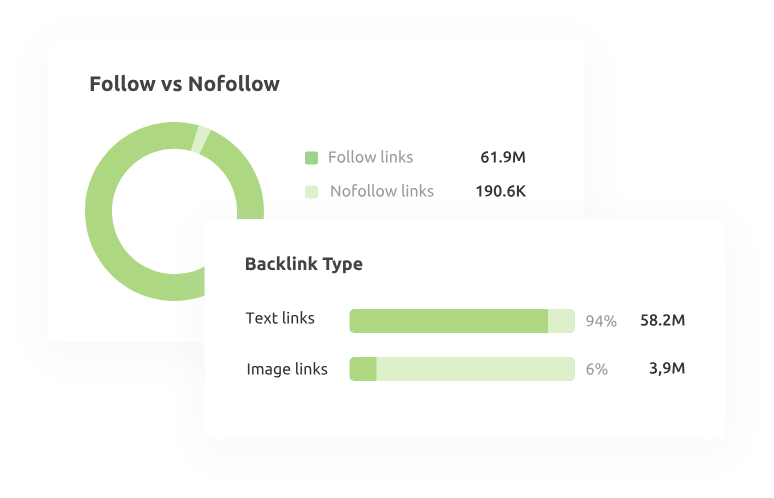
The goal is not to collect links randomly. Good backlink analysis shows where the site is already strong, where it is fragile, and which opportunities deserve action.
Why treat backlink analysis separately?
Links influence trust, competition, and sometimes the speed at which a page moves. Without a dedicated reading, quantity, quality, opportunity, and risk quickly get mixed together.
A large number of links can hide weak domains, duplicates, or links with very little value.
Trust Flow, authority, traffic, topical relevance, and context help separate a useful signal from noise.
A link to the homepage, service page, guide, or forgotten URL does not create the same priority.
Sudden spikes, repeated losses, overly similar anchors, or off-topic domains deserve checking before decisions.
A simple method for reading a link profile
The reading becomes more reliable when it follows a clear order: overview, referring domains, anchors, linked pages, quality, competitors, and decision.
Step 1
Start with the overview
Review referring domains, trends, top linked pages, and main metrics before going into detail.
Step 2
Read referring domains
Identify repeated sources, strong domains, new links, lost links, and sources with little relevance.
Step 3
Check anchors
See whether anchors remain natural: brand, URL, varied expressions, commercial wording, and repeated signals.
Step 4
Compare competitors
Watch the links competitors earn, the pages attracting references, and realistic gaps to close.
Step 5
Qualify quality
Combine authority, Trust Flow, estimated traffic, topical fit, and history so links are not treated equally.
Step 6
Turn it into a decision
Sort actions: monitor, reclaim a lost link, strengthen a page, contact a source, or discard a risky lead.
Rankerfox tools that help with backlink analysis
Each tool adds a different reading: link index, quality, history, technical footprints, expired domains, or partnership opportunities.

Referring domains, anchors, linked pages, new or lost links, and competitor analysis.

Trust Flow, Citation Flow, Topical Trust Flow, history, and quick domain qualification.

Backlink Overview, Authority Score, competitors, audits, and SEO context around a domain.
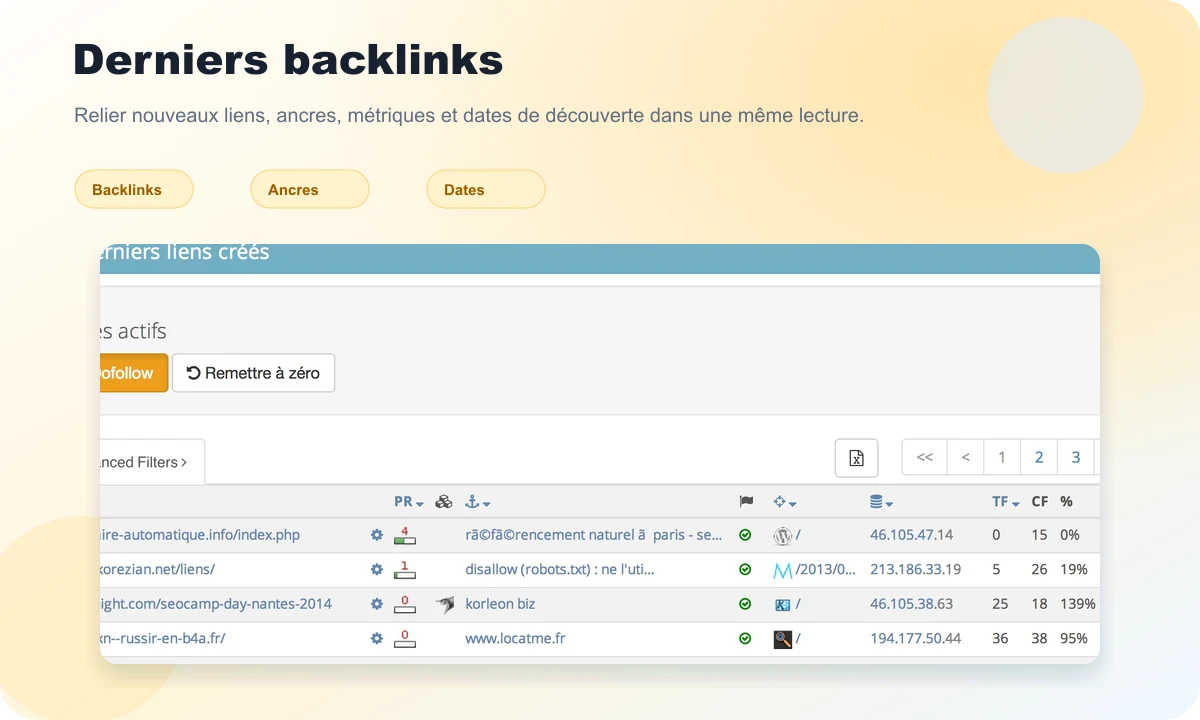
Recent backlinks, offsite signals, SERP impact, and useful reading for French-speaking markets.
Public footprints, scripts, technical patterns, and prospecting leads to verify.

Expired domains, link metrics, history, advanced columns, and domain preselection.

Affiliate opportunities, programs, tracking, and partnerships to separate from pure link metrics.
Previews that make backlink analysis concrete
The visuals help turn a vague word like authority into usable screens: domains, trends, anchors, quality, footprints, and tracking.
Quickly read referring domains, authority, anchors, and the main areas to monitor.
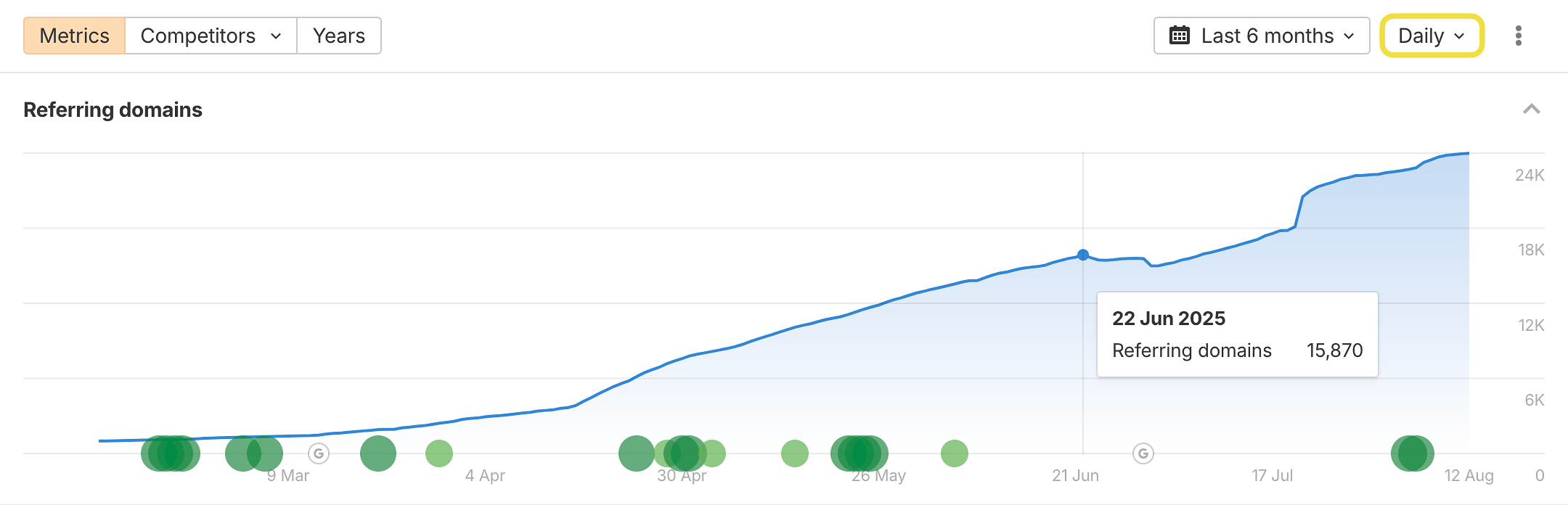
Spot spikes, losses, and growth phases to understand whether the profile evolves cleanly.
Understand why two links do not have the same value even when they point to the same page.
Connect link movements with visibility changes instead of reading links in isolation.
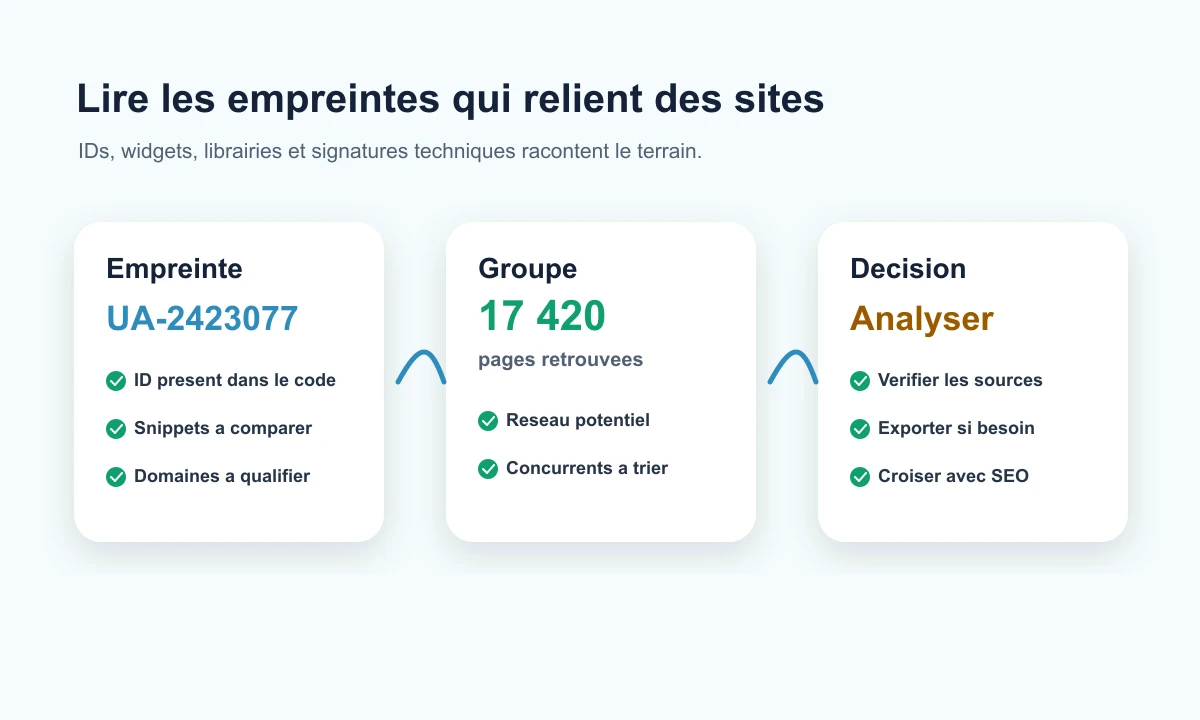
Detect public patterns and manually validate whether they can become a real lead.
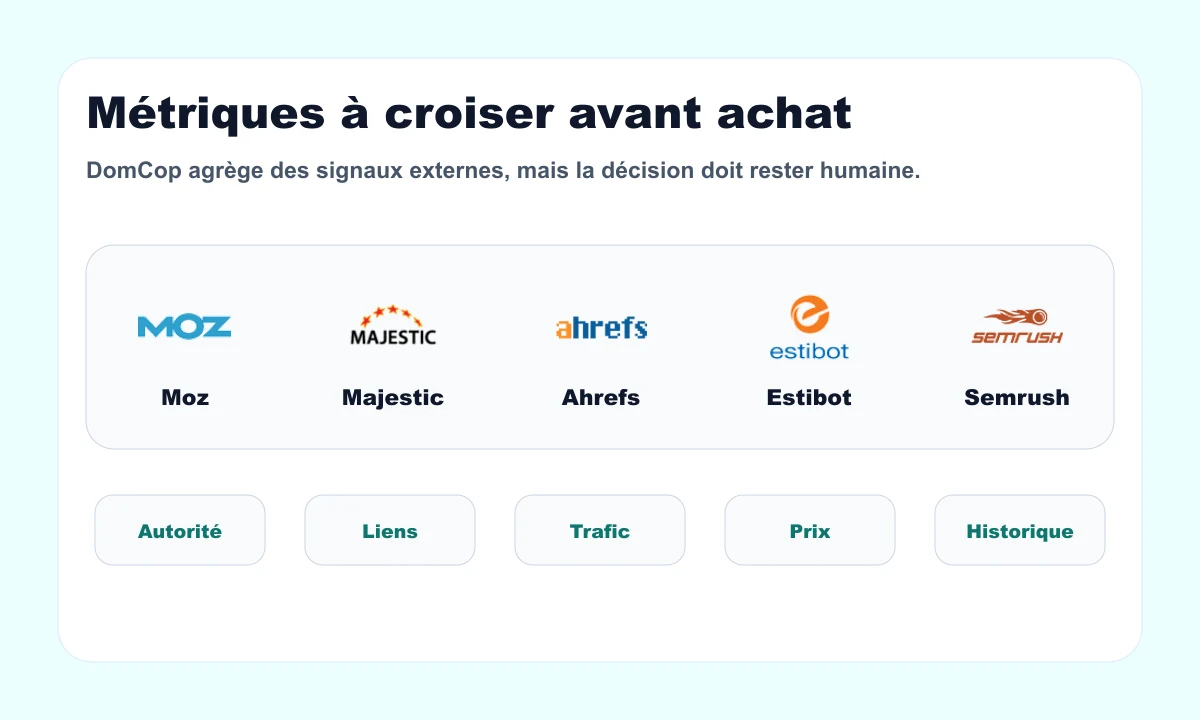
Cross several metrics before treating an expired domain as a useful opportunity.
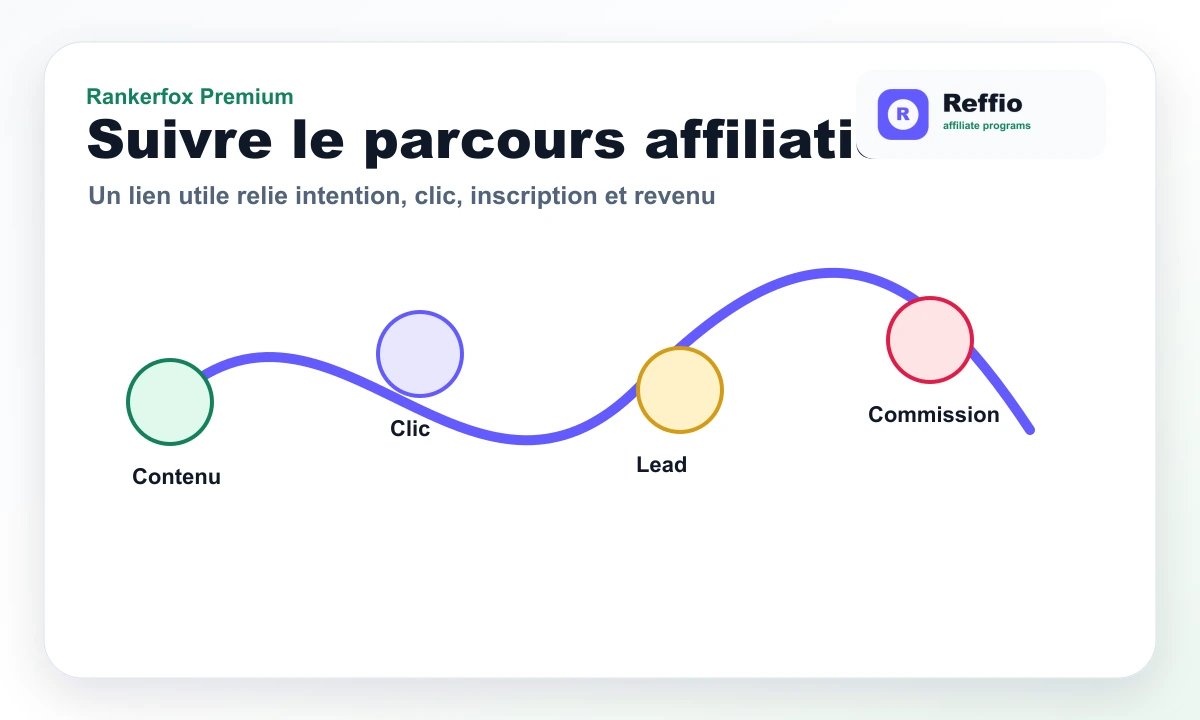
Separate relationships and programs from SEO signals that can be measured directly.
Four cases where backlink analysis helps you decide
Understanding the current profile prevents strengthening the wrong page, choosing bad anchors, or chasing useless links.
Lost links, competitors, affected pages, and offsite signals may explain part of the movement.
An expired domain can look attractive, but its history, topical fit, and link quality need a calm review.
Comparing competitor sources helps identify actually relevant sites instead of sending requests randomly.
Continue after backlink analysis
Choose comparable competitors, find missing referring domains, and prioritize the source pages.
Move from analysis to ten practical methods for acquisition, outreach, and tracking.
Review the definition, anchor text, referring domains, and the signals of a useful link.
Compare external services, budgets, and the checks to complete before ordering.
Choose between a catalog, managed support, and multi-platform comparison for your workflow.
Learn how to compare marketplaces, organize opportunities, and monitor acquired links.
Connect backlinks, technical health, content, and competitors before deciding.
Move from profile reading to opportunity qualification.
Turn relevant sources into qualified contacts and tracked actions.
Connect mentions, content, and links to usable editorial monitoring.
Review history, metrics, and backlinks before buying or redirecting.
Compare Ahrefs, Semrush, Majestic, and Moz by price, data, and SEO need.
Go deeper into referring domains and linked pages.
Qualify trust, popularity, and topical relevance.
Connect recent backlinks, SERPs, and competitor movement.
Read expired-domain metrics before taking action.
Affordable backlink analysis FAQ
Useful answers before using Rankerfox tools to read a link profile.
Analyze backlinks with the right Rankerfox tools
Compare pricing, choose the right access level, and use Rankerfox SEO tools to turn link data into clearer decisions.
View pricing