
How to Get Quality Backlinks: 10 Methods
A complete method for building a link-worthy page, finding relevant websites, preparing outreach, and measuring the backlinks you actually earn.
The four-part method
- Choose a page that genuinely deserves a recommendation.
- Find websites, authors, and pages already close to the topic.
- Offer a precise reason to add or repair a link.
- Track replies, publications, and the stability of earned links.
A strong backlink rarely starts with a vague “please add my link” request. It appears when your page gives another publication useful information, evidence, or a tool. If the terminology is still new, begin with our guide to what a backlink is and how to assess link quality.
Start with the right page to promote
Your homepage is not always the best destination. Writers are more likely to cite a focused study, practical guide, calculator, or comparison that directly completes their point.
| Page to promote | Good reason to cite it | What to prepare first |
|---|---|---|
| Original study or data | Provide a verifiable number or recent trend | Method, date, sample, and reusable charts |
| Practical guide | Explain a step the source article does not cover | Clear structure, examples, and a direct answer |
| Tool or template | Save the reader time | Simple access, visible output, and short instructions |
| Comparison | Help readers choose between several options | Explicit criteria, limitations, and verification date |
| Commercial page | Answer a very specific recommendation | Evidence, readable pricing, and a close contextual fit |
Read the page as someone discovering the brand. Does the title make the resource clear? Can the important information be checked? Will a visitor understand why this destination completes the page linking to it?
Create something other pages can actually use
Even excellent outreach cannot rescue an interchangeable resource. Before finding contacts, strengthen what makes the page useful beyond your own website.
Data
A survey, price sample, time series, or numbers drawn from your own activity.
A tool
A calculator, template, checklist, or file that speeds up a real task.
An explanation
A diagram or example that makes a technical subject understandable.
A comparison
Consistent criteria applied to several options without forcing a universal winner.
A curated list
A genuinely filtered selection of resources, professionals, events, or tools.
Experience
A detailed account of decisions, implementation, and observed outcomes.
Match the method to your current situation
Each tactic needs a different starting asset. A little-known company cannot work unlinked brand mentions in the same way as a business that is already cited every week.
| Method | Starting point | Effort | Main advantage |
|---|---|---|---|
| Link-worthy content | Expertise or data you can publish | High upfront | Can keep attracting citations |
| Competitor research | Comparable sites already earning links | Medium | Sources already interested in the topic |
| Broken links | A missing resource you can replace | Medium to high | An immediately clear reason for contact |
| Unlinked mentions | A brand, study, or person already mentioned | Low to medium | An editorial relationship already exists |
| Digital PR | News, data, or an available expert | High | Visibility, citations, and media relationships |
| Partners and resources | A genuine professional relationship | Low | Natural context and a close audience |
| Editorial contribution | Useful experience to share | High | In-depth exposure on a relevant website |
| Paid placement | A budget and quality checks | Variable | More direct access to placements |
1. Study backlinks from comparable competitors
Select three to five websites serving the same audience. Major publishers provide ideas, but the sources linking to them are not always realistic opportunities for a smaller site.
- Export the referring domains and most-linked pages for each competitor.
- Find sources appearing across several competitors, then open the exact linking page.
- Classify each case: editorial citation, resource page, partner, specialist directory, interview, contribution, or paid placement.
- Record why the link exists and what your page could add more precisely.
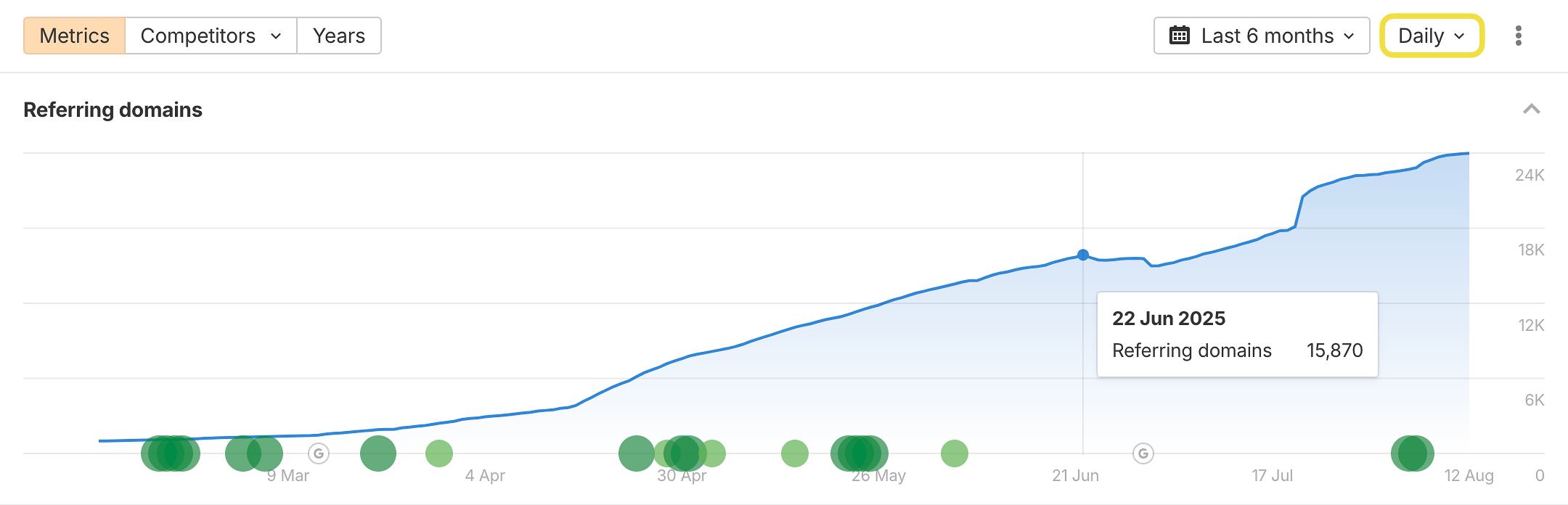
Our guide to competitor backlink analysis expands this process. Keep only sources where your contribution would make sense to the reader.
2. Replace a resource that is no longer available
Broken link building means finding a page that links to a dead resource, creating or identifying a relevant replacement, and notifying the publisher. The dead link gives you a valid reason to make contact, but your page still needs to perform the same job as the old destination.
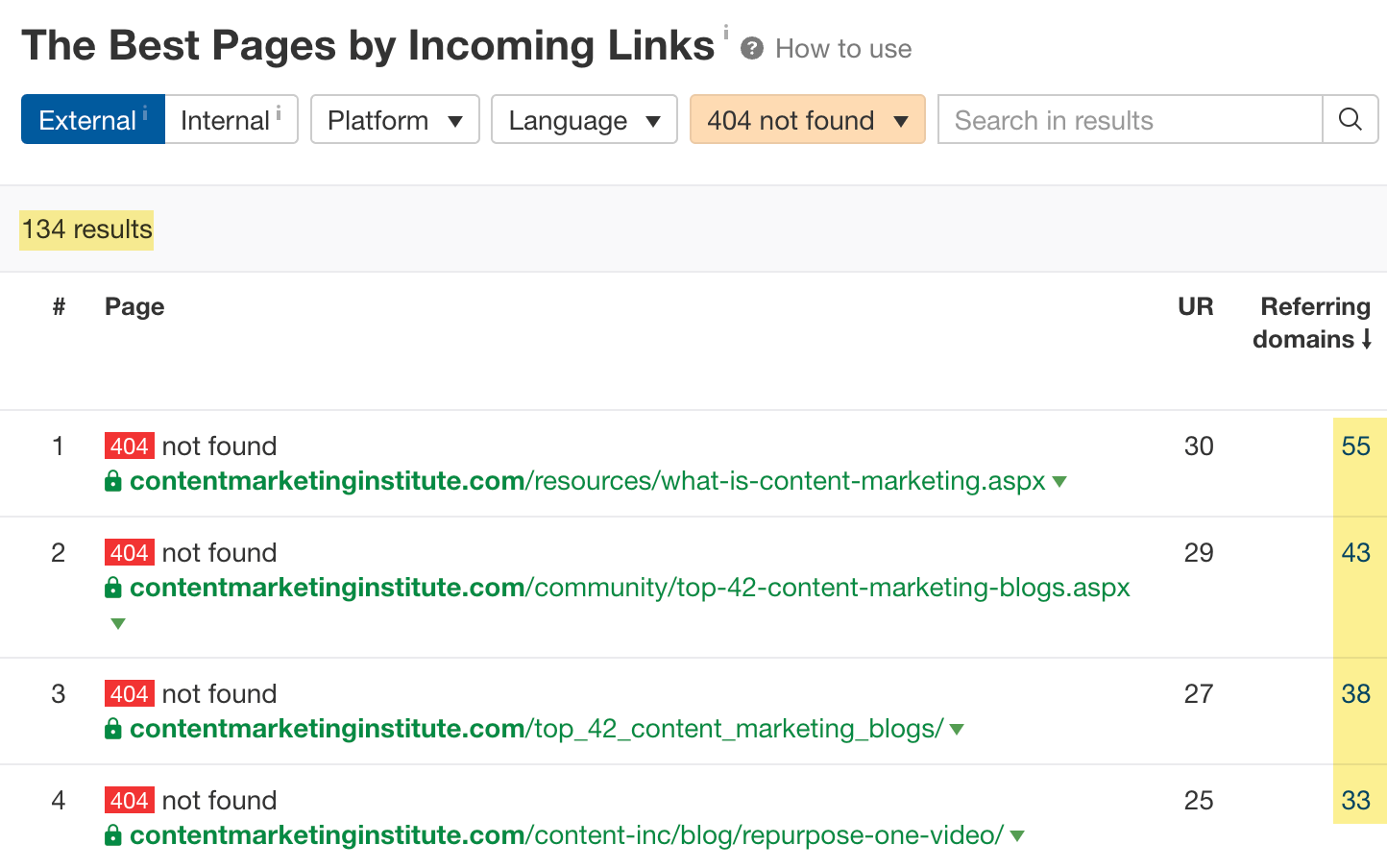
Before producing a replacement, answer three questions: are the existing links worthwhile, does the subject match your business, and can you satisfy the exact reason people cited the old page?
3. Reclaim mentions and lost links
A company may already be mentioned without a clickable name. An image may be reused without attribution, or an old URL may still receive backlinks while returning an error.
- Unlinked mention: request the URL only when it helps readers verify the information.
- Wrong destination: provide the correct address in one sentence.
- Moved page: add a relevant redirect or contact the source when the destination genuinely changed.
- Reused image or data: share the original source page and a simple attribution.
- Recently lost link: check whether it followed a redesign, content update, or removal of your own page.
These requests perform better when they read like a useful correction instead of a negotiation. Include the exact URL, the affected sentence, and the proposed solution.
4. Use digital PR to provide publication-ready information
A journalist or writer is not looking for “a backlink.” They need a reliable number, useful example, quote, or expert who can respond quickly. Prepare a small package they can actually use.
- A three-sentence summary with the main finding.
- The method and date behind the data.
- Two or three easy-to-check numbers.
- A quote attributable to an identified person.
- A readable chart with a clear caption.
- A stable source page for further detail.
Our SEO PR monitoring guide explains how to turn a topic or mention into a qualified editorial opportunity.
5. Activate partners, associations, and resource pages
Some of the most natural links come from relationships that already exist. Review websites belonging to suppliers, professional clients, distributors, associations, schools, events, podcasts, and specialist communities.
Good context
A member page, customer story, partner directory, event speaker page, or genuinely curated resource list.
Poor context
Systematic link exchanges, pages created only to cross-link URLs, or contracts that force an optimized link.
Offer something that improves the page: an updated description, image, documentation, case study, supporting resource, or specific example. The link then follows from the information you contribute.
6. Publish contributions that deserve their place
An opinion column, interview, or guest article can reach a relevant audience and establish expertise. Choose a subject the publication has not already covered well and contribute examples its team could not easily produce alone.
Avoid generic articles distributed at scale with the same commercial anchor. Google's spam policies include optimized links in widely distributed guest posts and press releases when their main purpose is ranking manipulation. A useful contribution should first stand on the quality of its content and its fit with the publication.
7. Write short, specific, human outreach
The message should prove you read the page. Good outreach names one page, gives a real reason for contact, and proposes an easy next step.
Example message
Subject: a source to update in your [topic] guide
Hi [first name],
In your page [title], the link to [resource] now returns an error. We published a page covering [specific element] with [data, example, or tool].
Here is the address if you would like to review it: [URL]. Either way, I wanted to flag the broken link.
Best,
[signature]
Adapt every message to its context. One short follow-up may help after a few days; a long and insistent sequence harms the relationship faster than it earns links. Our SEO outreach guide covers contact discovery and qualification.
8. Earn free backlinks without collecting empty profiles
“Free” often means paying with time. Joining an association, contributing expertise, or building a useful tool may require hours of work but create real visibility. Opening a hundred profiles with no audience mostly produces a list of weak links.
- Complete the professional profiles your customers actually use.
- Select a few moderated specialist directories with a recognizable audience.
- Join communities to answer questions, not to place a URL in every message.
- Introduce your resources to pages already curating that type of material.
- Turn recurring customer questions into pages partners can confidently recommend.
9. Buy a placement only after defining your checks
Buying can unlock placements that editorial outreach will not always secure. You still need to separate the link price, the actual quality of the page, the promised duration, and the way the commercial relationship is disclosed.
Google asks publishers to qualify advertising and sponsorship links with rel="sponsored" or rel="nofollow". Our guide to buying backlinks, prices, platforms, and risks compares the available routes and the checks to complete before ordering.
If you operate on the publishing side, read our guide to selling sponsored placements on your own website while protecting editorial consistency.
10. Monitor earned links and maintain the relationship
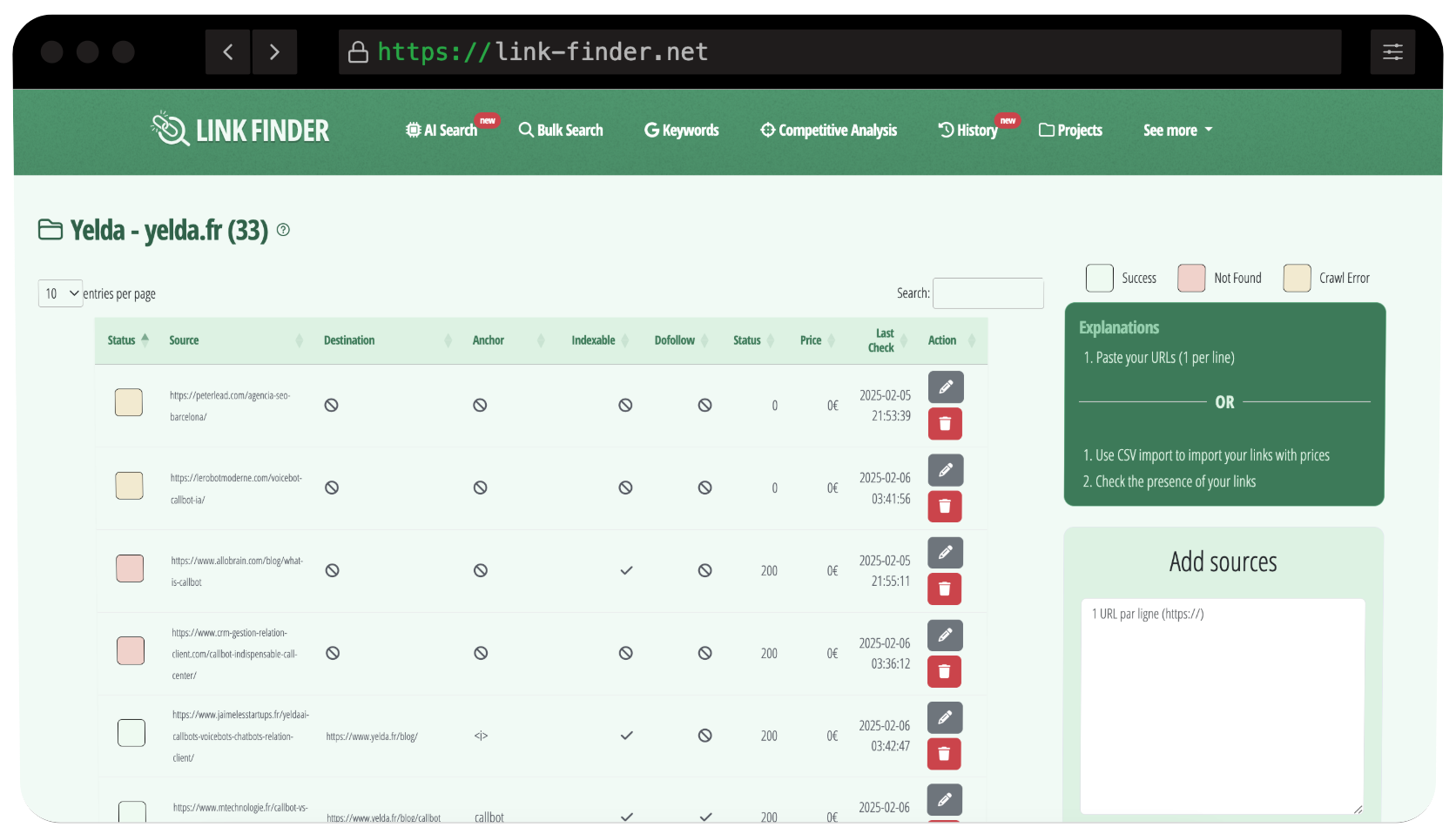
A link can be edited, lose its context, or disappear. Keep its publication date, source page, destination, anchor, contact, and reason for publication. This makes it possible to see which formats and relationships deserve more investment.
A simple 30-day plan
Week 1: prepare
Choose one page, add missing evidence, and define the types of websites that could reasonably cite it.
Week 2: research
Study five competitors, existing mentions, lost links, and a small set of broken resources.
Week 3: contact
Build a short qualified list and adapt each message to the reason for contact.
Week 4: follow up
Follow up once where appropriate, verify published links, and record the formats that earned replies.
Measure what is actually improving
A raw backlink count is not enough. A useful campaign should show what was attempted, what was earned, and what new links contribute to the target pages.
| Metric | What it helps explain |
|---|---|
| Qualified prospects | The real campaign size after weak sources are removed |
| Replies | The fit of the targeting and contact reason |
| New referring domains | The diversity of websites citing the project |
| Links to the target page | Whether the campaign supported the intended destination |
| Referral traffic | Visits and actions arriving directly through links |
| Lost or changed links | How stable the results remain over time |
Rankerfox tools for each stage
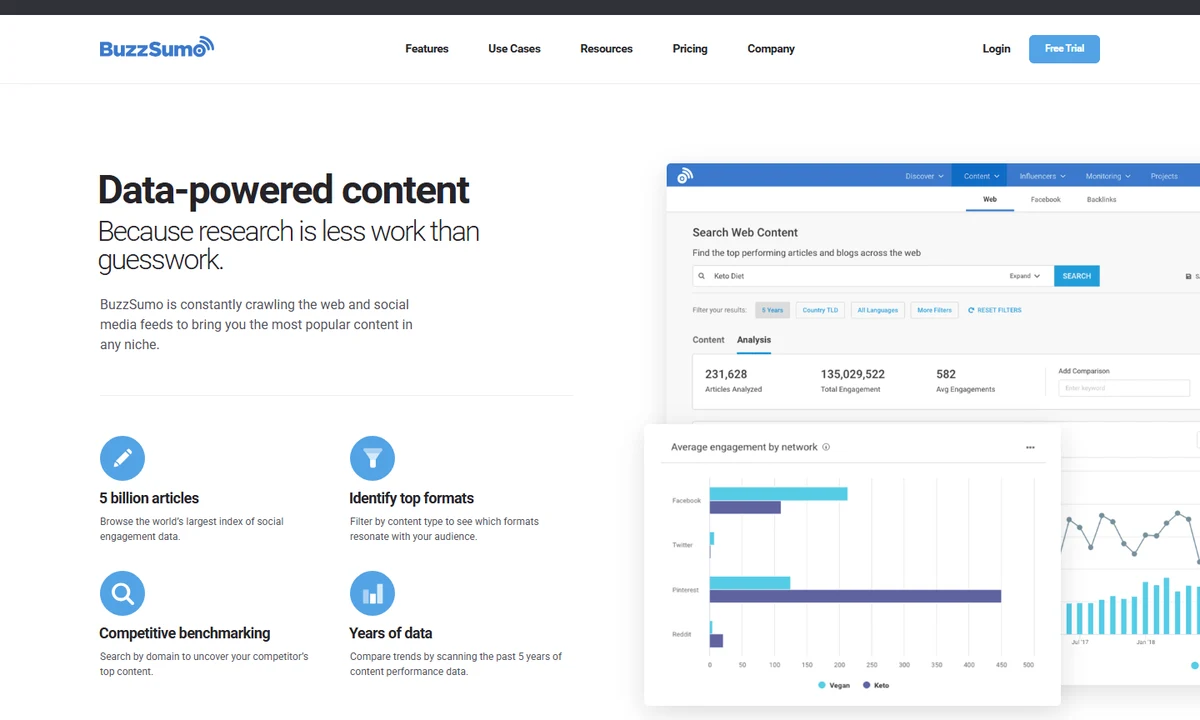
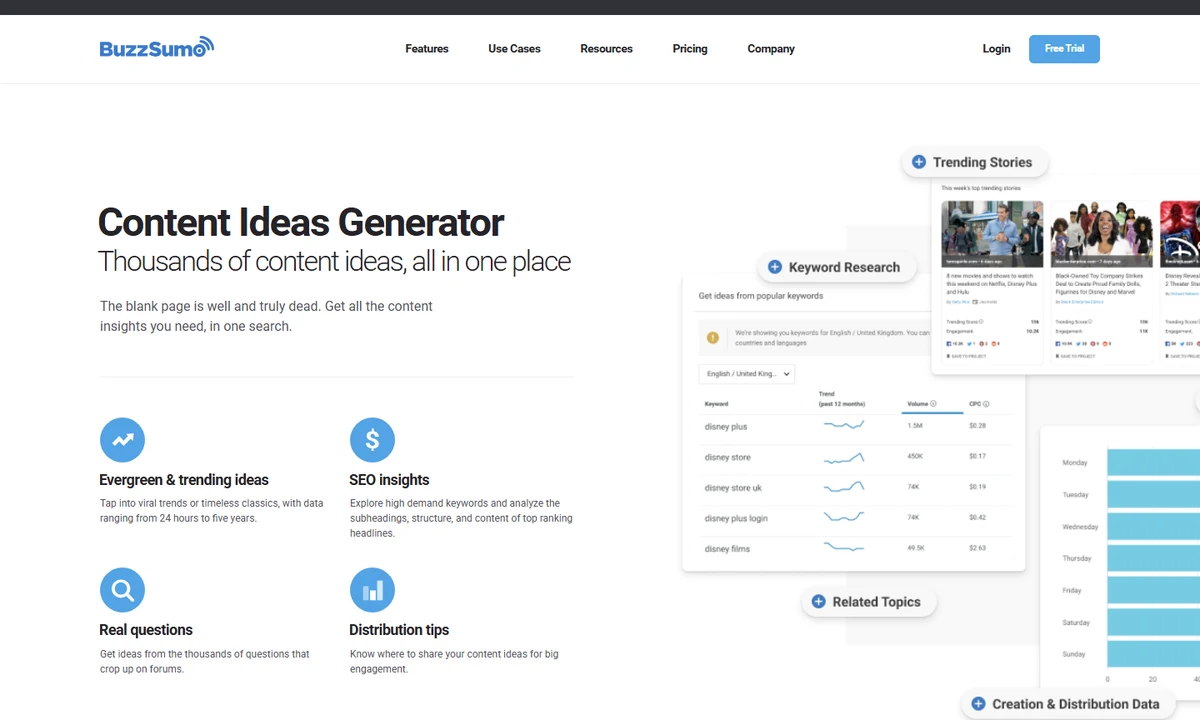
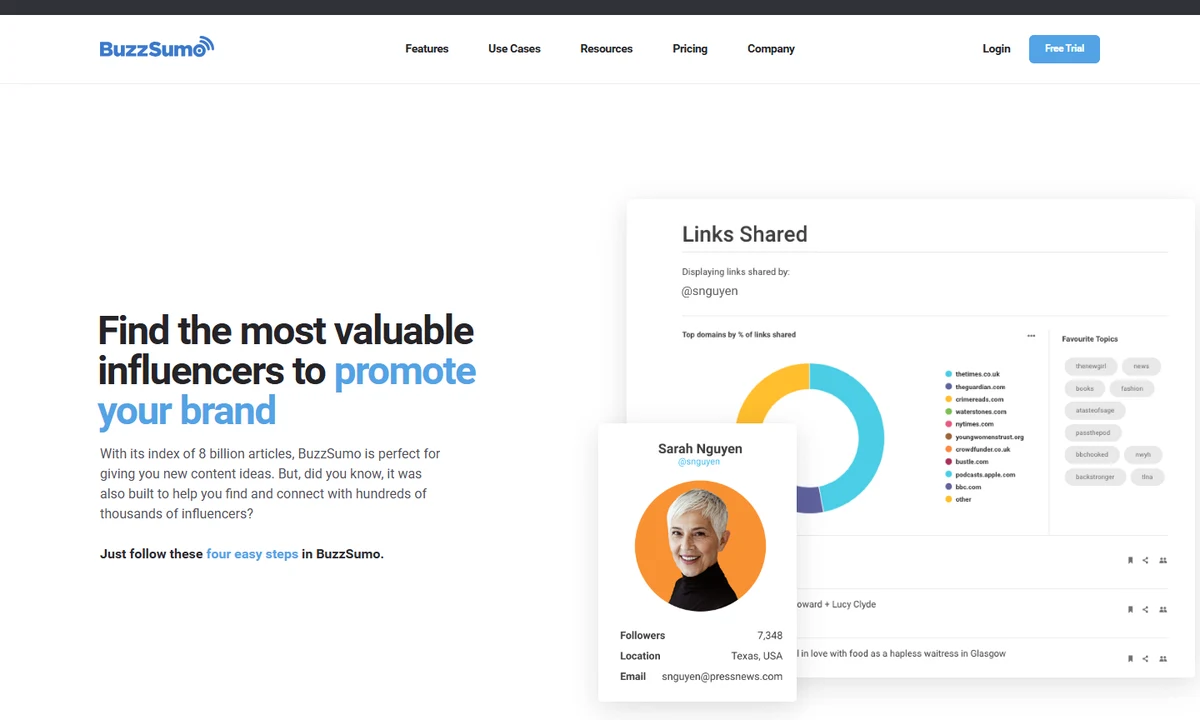
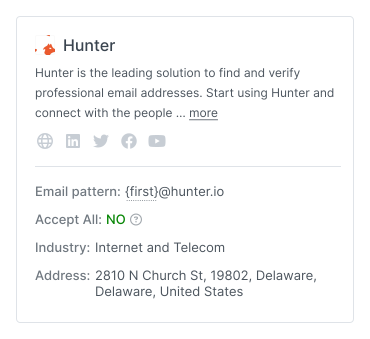
Ahrefs, Semrush, and Majestic help examine referring domains, most-linked pages, and new or lost links. BuzzSumo supports content, author, and topic research. Hunter helps discover and verify professional contacts, while PublicWWW, SurferLink, and other specialist tools provide additional angles depending on the campaign.
The value comes from combining them: a metric surfaces a lead, the source page confirms its relevance, and the surrounding context determines whether it deserves action.
Turn a domain list into a structured campaign
Compare the analysis, monitoring, and outreach tools available through Rankerfox.
The mistakes that waste the most time
- Promoting a highly commercial page to websites looking for an informational source.
- Copying every competitor backlink without checking the exact page.
- Sending the same message to hundreds of contacts with no specific reason.
- Selecting a source using only one authority metric.
- Requesting the same optimized anchor every time.
- Ignoring redirects and existing backlinks pointing to errors.
- Counting promised links instead of verifying what remains published.
Frequently asked questions
How many backlinks should I earn each month?
There is no universal quota. The right pace depends on competition, the number of pages being promoted, and the genuinely relevant opportunities available. A handful of strong new sources can be more useful than a high volume of repetitive links.
Can I get backlinks for free?
Yes. Link-worthy content, existing mentions, partners, contributions, and resource pages can all earn links without a placement fee. They still require research, production, and relationship-building time.
Which content attracts the most backlinks?
Original data, tools, templates, maps, visual definitions, transparent comparisons, and guides solving a focused problem provide clear reasons for citation. The best format depends on what the sector actually needs.
Should I contact every site linking to a competitor?
No. Some links depend on a relationship, news event, or resource you cannot reproduce. Contact only sources where your page offers a clear improvement.
How many follow-ups should I send?
One short follow-up is often enough for an editorial request. When there is still no reply, preserve the relationship and move to another opportunity.
How can I tell whether a backlink is high quality?
Review the relevance of the website and exact page, the surrounding context, anchor, destination, source visibility, and domain stability. One metric cannot replace that assessment.
Useful sources: review Google's guidance on crawlable links and anchor text, its link spam policies, and its advice for creating helpful, reliable content. Ahrefs also publishes a detailed broken link building method, while Hunter documents its official Domain Search.