
Affordable SEO outreach: find the right contacts before taking action
SEO outreach works best when it starts with a real reason to contact someone: a competitor source, resource page, possible partnership, unlinked mention, affiliate program, or already qualified editorial opportunity.
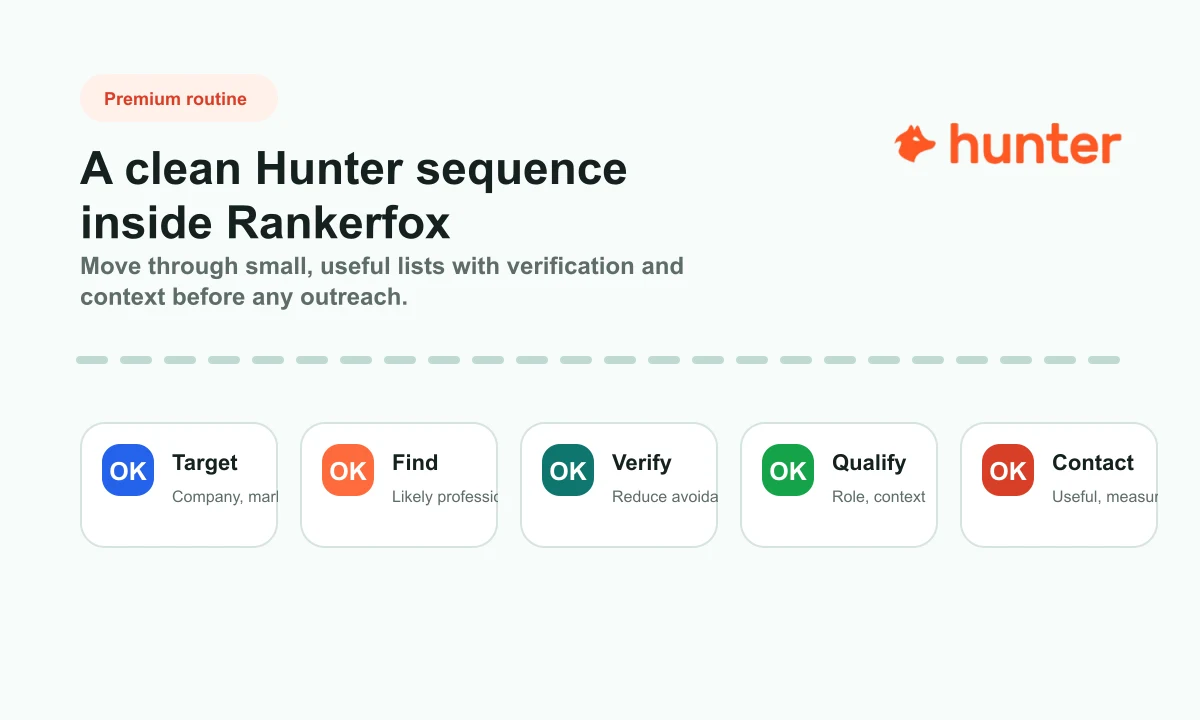
A stronger outreach routine connects several readings: why the site deserves contact, who to contact, what message to send, and how to track the answer or link obtained.
Why give SEO outreach its own page?
Backlink analysis reveals possible sources. Link building qualifies the opportunity. Outreach adds the relationship layer: contacting the right person with a clear angle and a usable record.
A competitor domain, resource page, or partner site only becomes useful when you understand why it might answer.
Looking for a professional address, checking its quality, and avoiding vague lists reduces wasted messages and messy follow-up.
A good message is based on the page, topic, person, and a clear proposal instead of generic copy sent everywhere.
Finding a contact is only the start: note status, reply, possible follow-up, link obtained, or lead to drop.
A cleaner SEO outreach routine
The goal is not to stack emails. It is to reduce a broad list into genuinely relevant contacts, then track each action with enough context to decide.
Use competitor backlinks, resource pages, footprints, partner programs, or public mentions as starting points.
Check topic, authority, history, estimated traffic, editorial consistency, and the page where the opportunity could live.
Look for a profile, role, contact page, author, or team connected to the topic before keeping an address.
Use email verification or public signals to keep a cleaner base and avoid unreliable contacts.
Connect the request to a page, content piece, resource, mention, or real value proposition for the recipient.
Classify contacts, replies, follow-ups, links, refusals, and partnerships to keep a clear view of ongoing actions.
Rankerfox tools that help with SEO outreach
These tools cover the full cycle: finding sources, understanding site quality, finding the right contact, verifying the address, and tracking opportunities.

Professional email search, address verification, lead lists, and B2B campaign follow-up.

Footprint search, technologies, public code, similar sites, and sources to explore.

Programs, partnerships, tracking, commissions, and business opportunity reading around a site.

Link-building leads, pricing, competitors, domains, projects, and off-page prioritization.

Competitor backlinks, referring domains, linked pages, anchors, and priority sources to contact.

Trust Flow, Citation Flow, topics, and qualitative domain reading before outreach.
Previews that make outreach more concrete
The visuals show the important steps: searching a domain, identifying an address, verifying the contact, exploring footprints, tracking partnerships, and connecting backlink data.
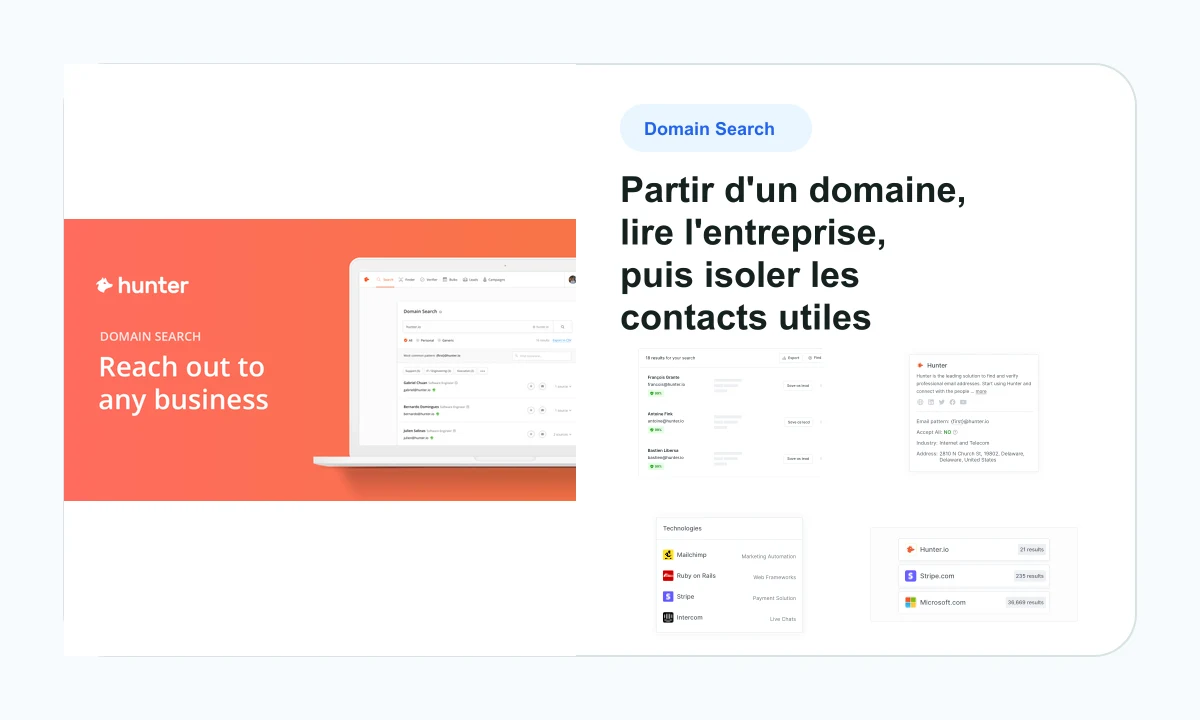
Start from a qualified site and identify professional addresses connected to the domain.

Search for an address from a name, domain, or identifiable organization.
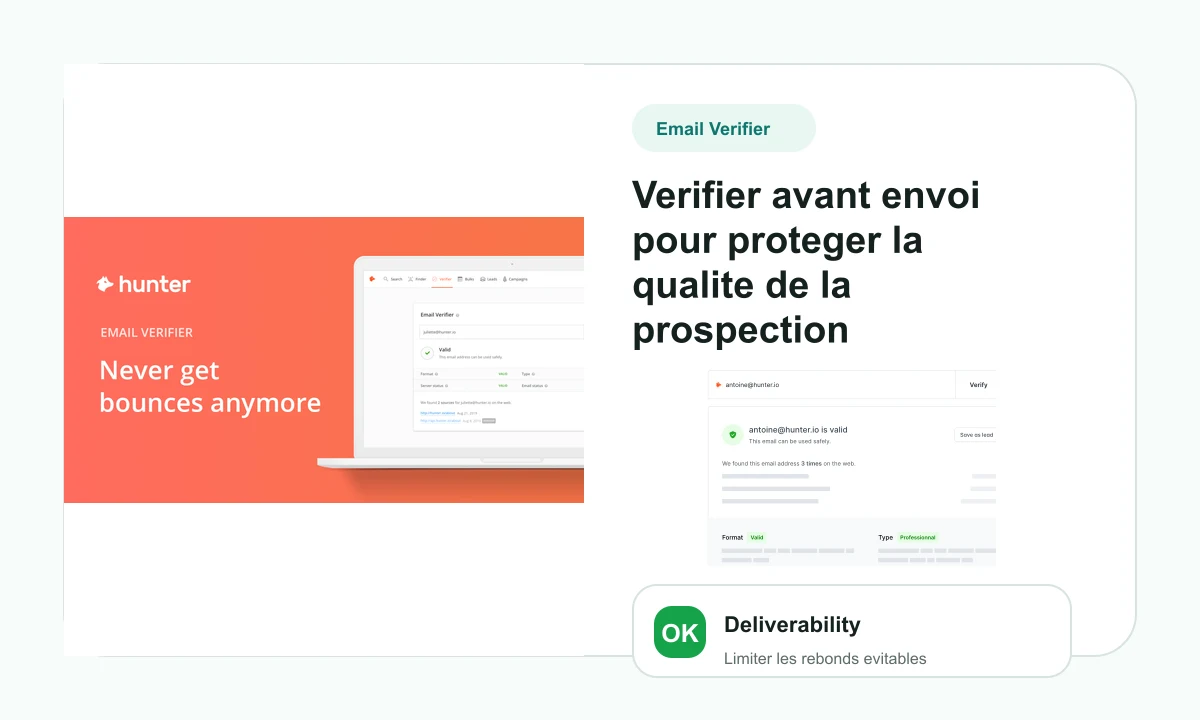
Reduce doubtful addresses before adding a contact to an outreach action.
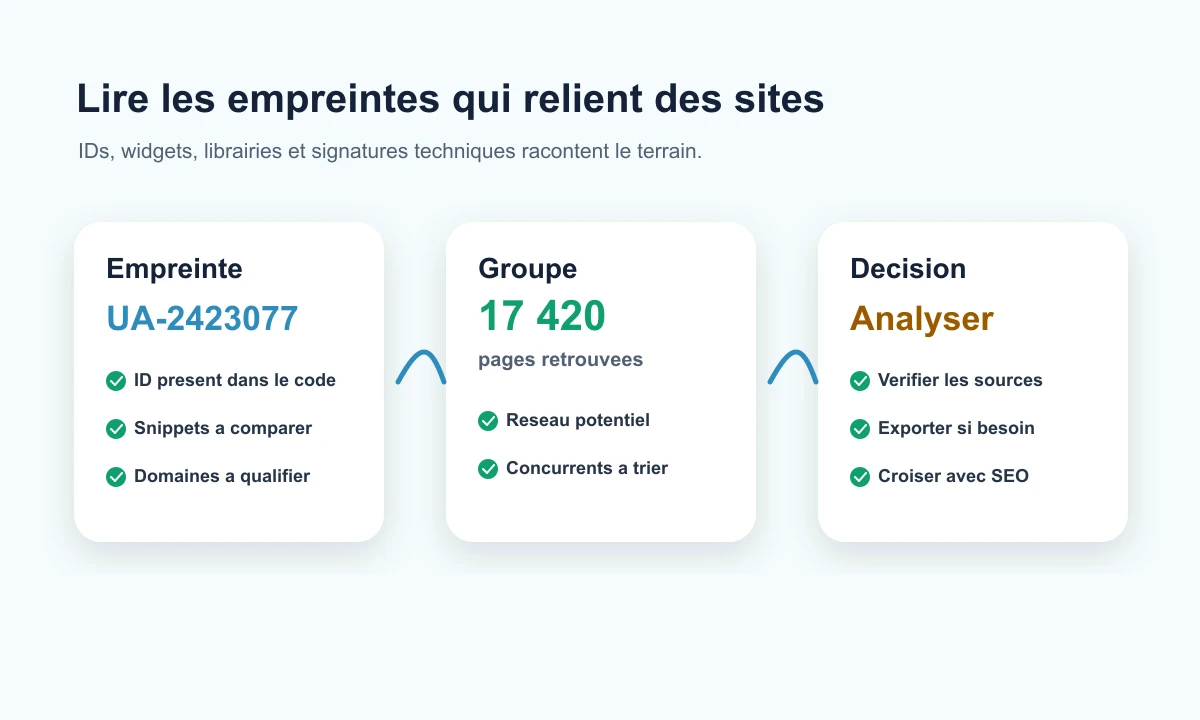
Find sites sharing code, technology, widgets, or visible traces.
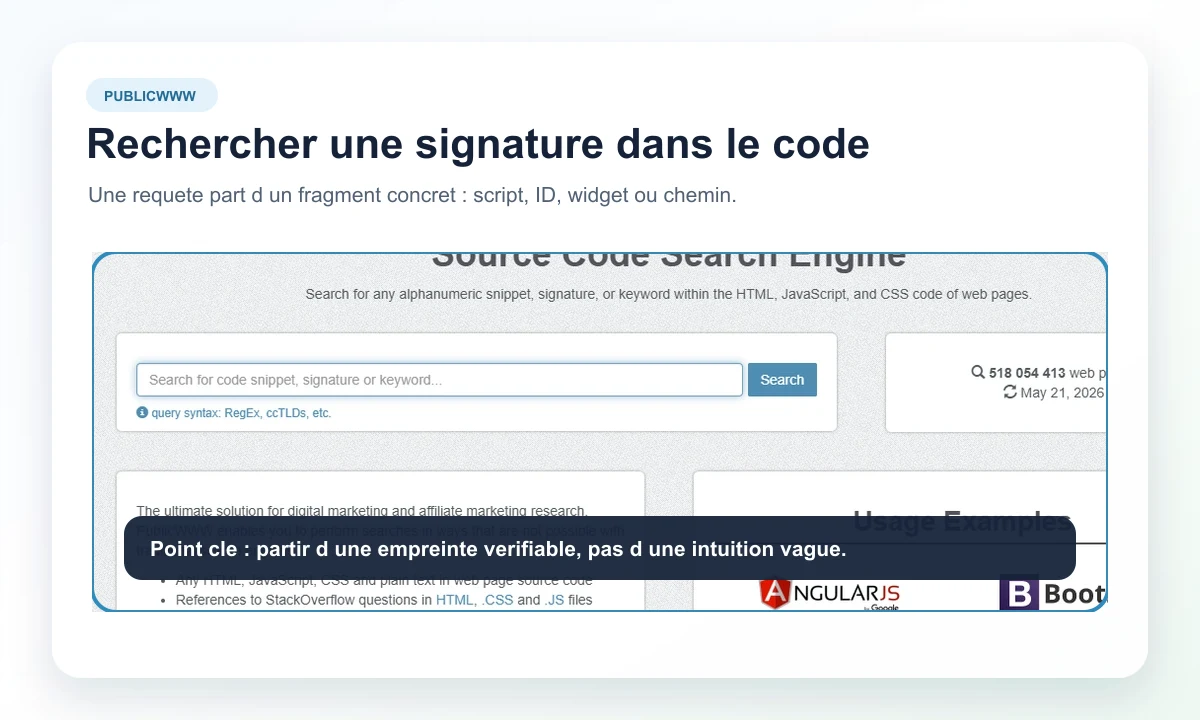
Explore technical clues to discover prospects or families of sites.
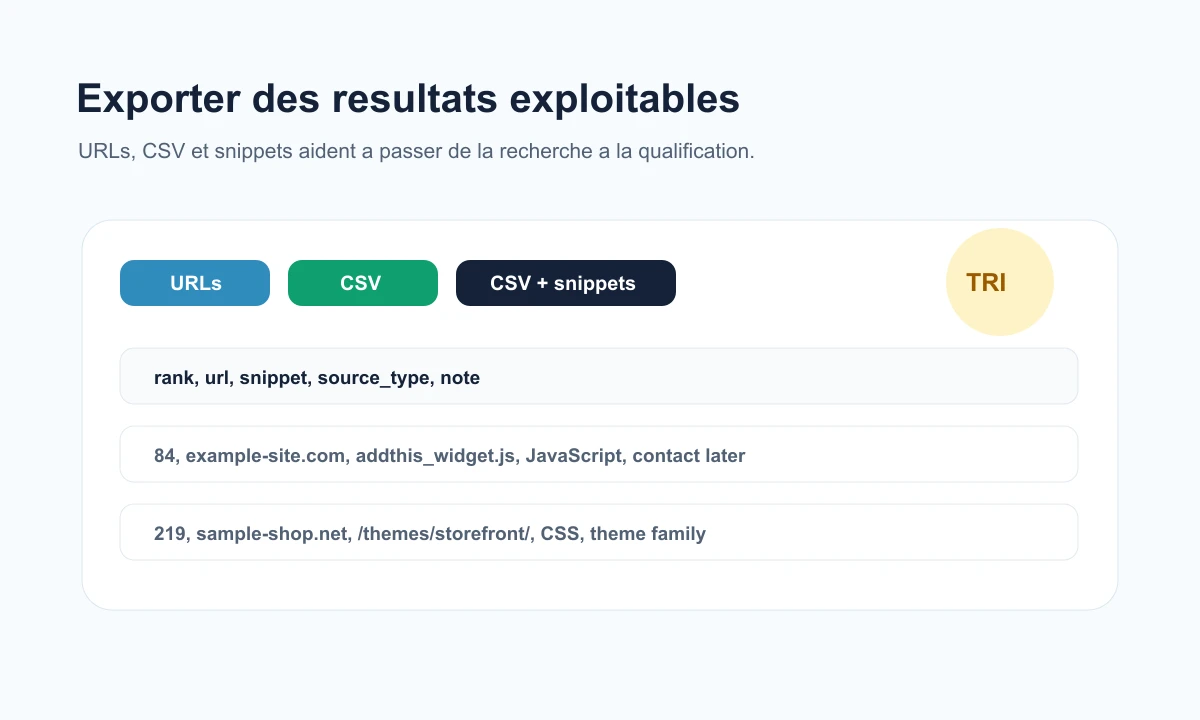
Turn a broad search into a list to filter, document, and prioritize.
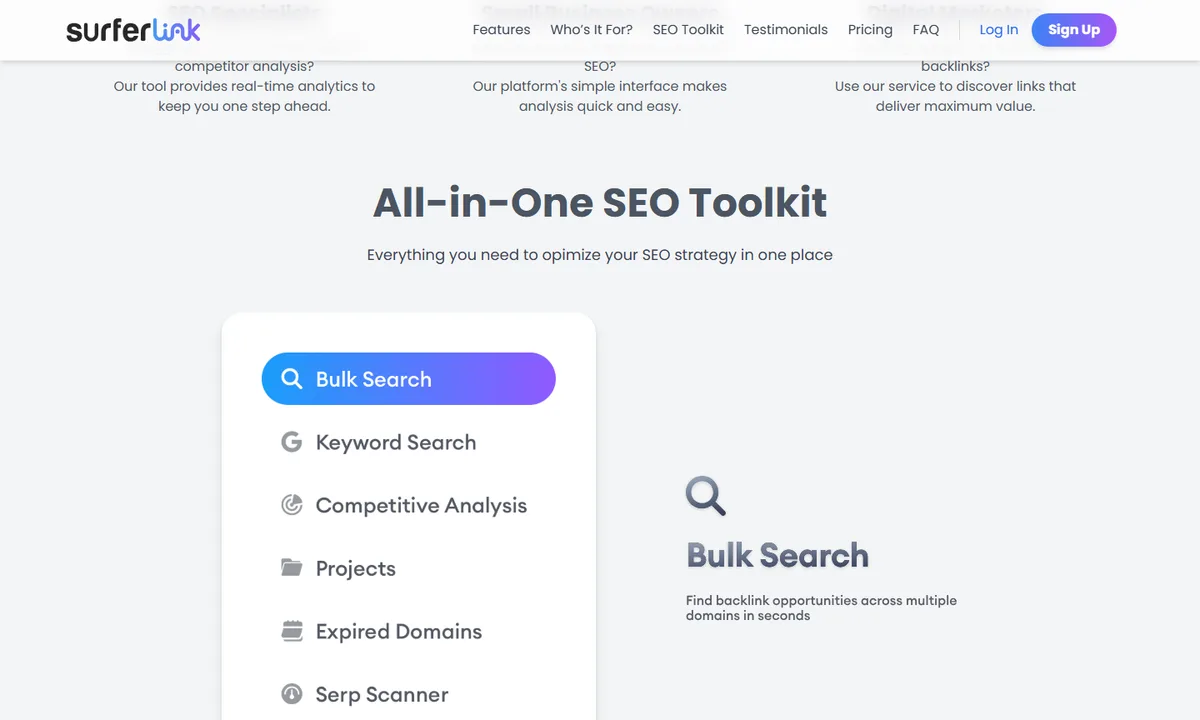
Connect an opportunity to budget, target page, and acceptable risk.
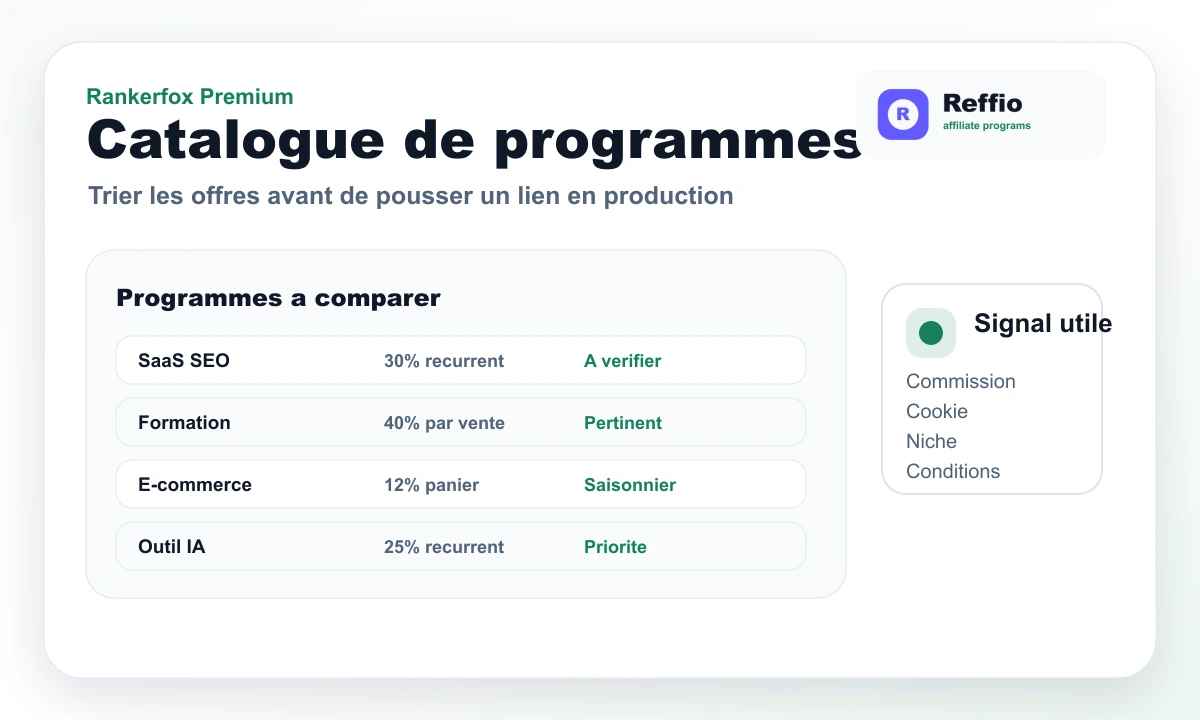
Spot programs or commercial relationships that can justify contact.
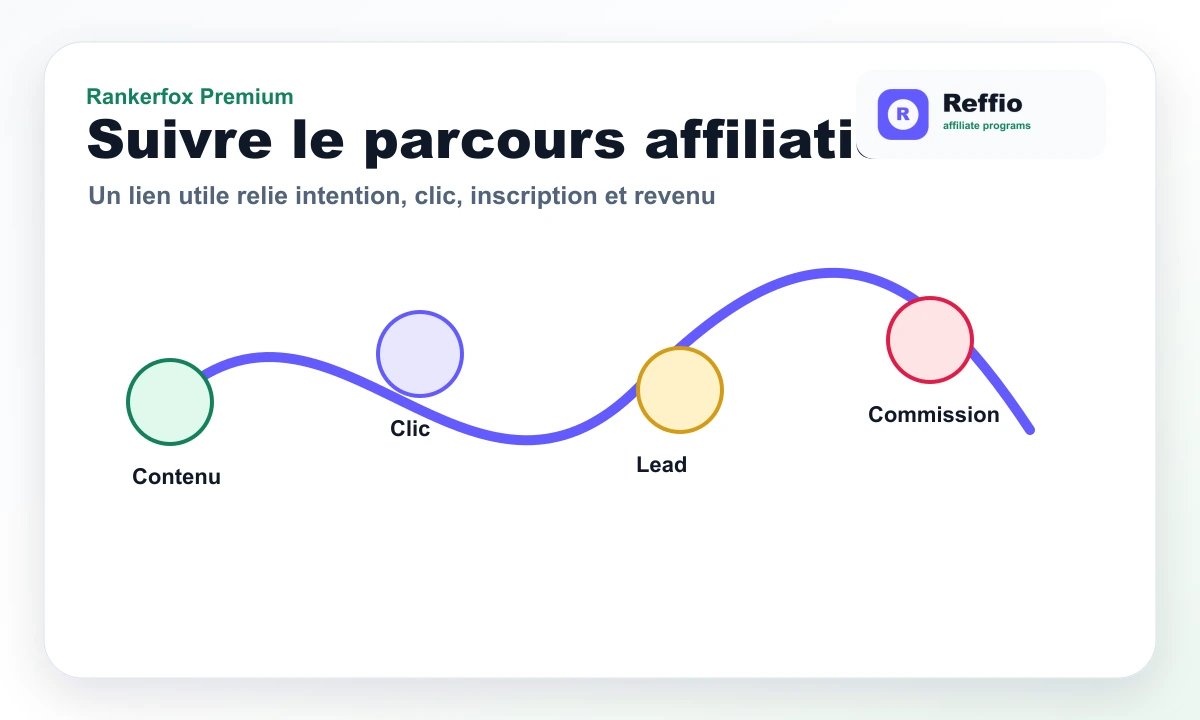
Keep records of opportunities, replies, links, statuses, and results over time.
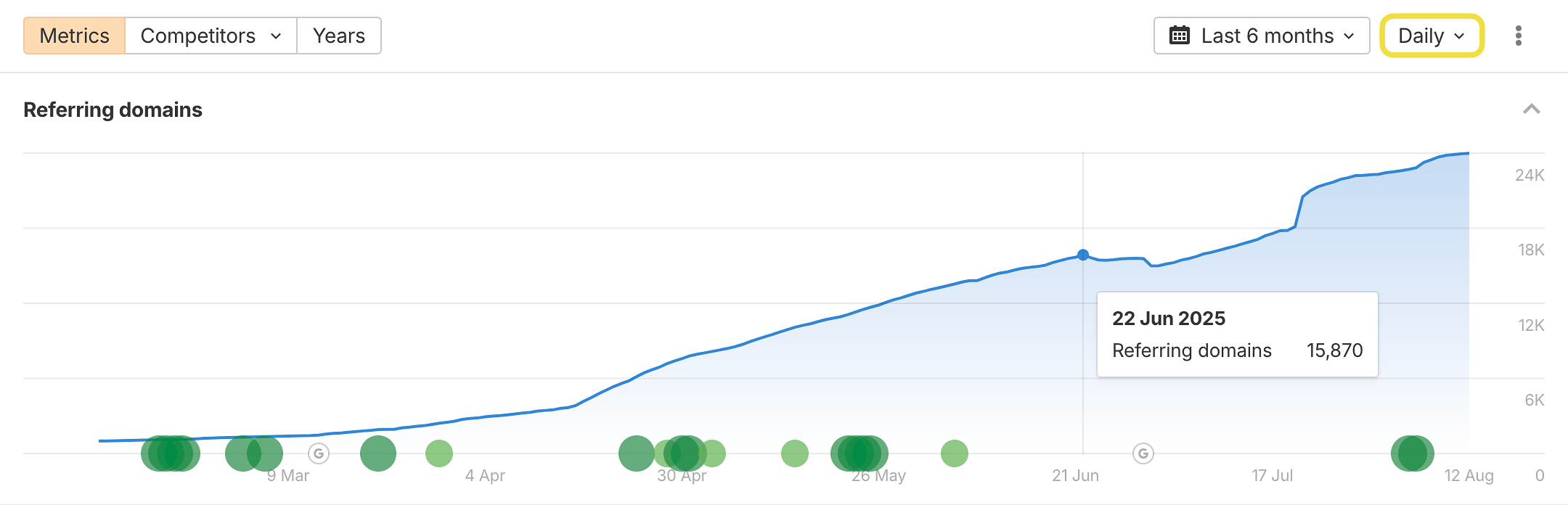
Spot link movements that can reveal sites, authors, or pages worth analyzing.
Cross-check trust, popularity, and topical signals before deciding to contact a site.
What to decide before sending a message
The reason should be clear: competitor source, resource page, mention, partnership, study, cited tool, or complementary content.
A generic inbox can work, but an identified author, content owner, editor, or partner often gives better context.
The message should explain value for the other site: correction, useful addition, credible resource, editorial exchange, or ongoing relationship.
Each contact should have a readable status: to verify, contacted, followed up, accepted, declined, published, or excluded.
Continue around SEO outreach
Apply ten practical methods, from link-worthy content to monitoring published links.
Qualify opportunities, target pages, pricing, risk, and tracking before action.
Start from competitor sources, referring domains, and linked pages.
Spot topics, mentions, authors, and publications that deserve action.
Find and verify professional emails for prospecting.
Discover footprints, technologies, and nearby sites to explore.
Track programs, partners, and business opportunities.
Prioritize link-building leads and connect action to a target page.
Affordable SEO outreach FAQ
A few reference points for using Rankerfox tools in a more structured SEO prospecting routine.
Affordable SEO outreach FAQ
A few reference points for using Rankerfox tools in a more structured SEO prospecting routine.
Prepare SEO outreach actions with Rankerfox tools
Compare plans, choose the right access, and build cleaner SEO prospecting before contacting sites.