

1.fr with Rankerfox
Use 1.fr in the Rankerfox Premium plan to analyze a URL or copy, check lexical coverage, spot terms to add or remove, find useful questions, and improve a page before publishing.
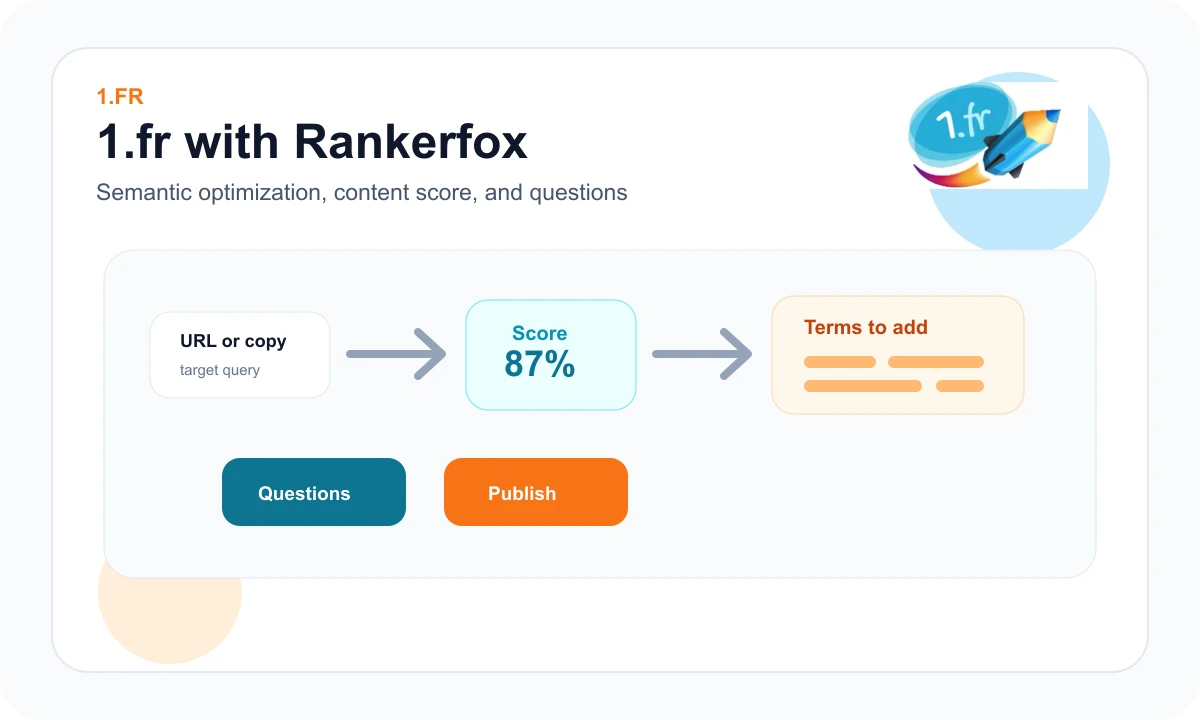
Plan
1.fr belongs to the Rankerfox Premium selection, alongside advanced tools for content, semantic optimization, and SEO analysis.
Best moment
The tool is most useful when the page, query, or copy already exists and coverage needs to be checked before going live.
Reading
The decision comes from the score, lexical recommendations, detected questions, and fit with the reader's need.
What 1.fr adds to a Rankerfox content routine
Keysearch helps choose an opportunity, KeywordTool.io broadens phrases, and YourTextGuru structures a full guide. 1.fr is useful next for reviewing a concrete page, checking whether lexical coverage is rich enough, and spotting missing questions.
Get a quick reading of the optimization level and see whether the content feels insufficient, correct, or worth strengthening.
Use recommendations to enrich vocabulary without turning the page into a pile of repeated phrases.
Understand why two engines or two results may expect different angles around the same query.
Spot real questions to create a section, FAQ, or more useful supporting article.
1.fr quickly shows what a page covers or misses
The score, terms to adjust, questions, and intent views show how 1.fr helps enrich a page without losing its main topic.

The public page highlights URL or copy analysis to improve rankings in search engines.

The recommendation is practical: enrich some terms, lighten other areas, and keep the copy natural.
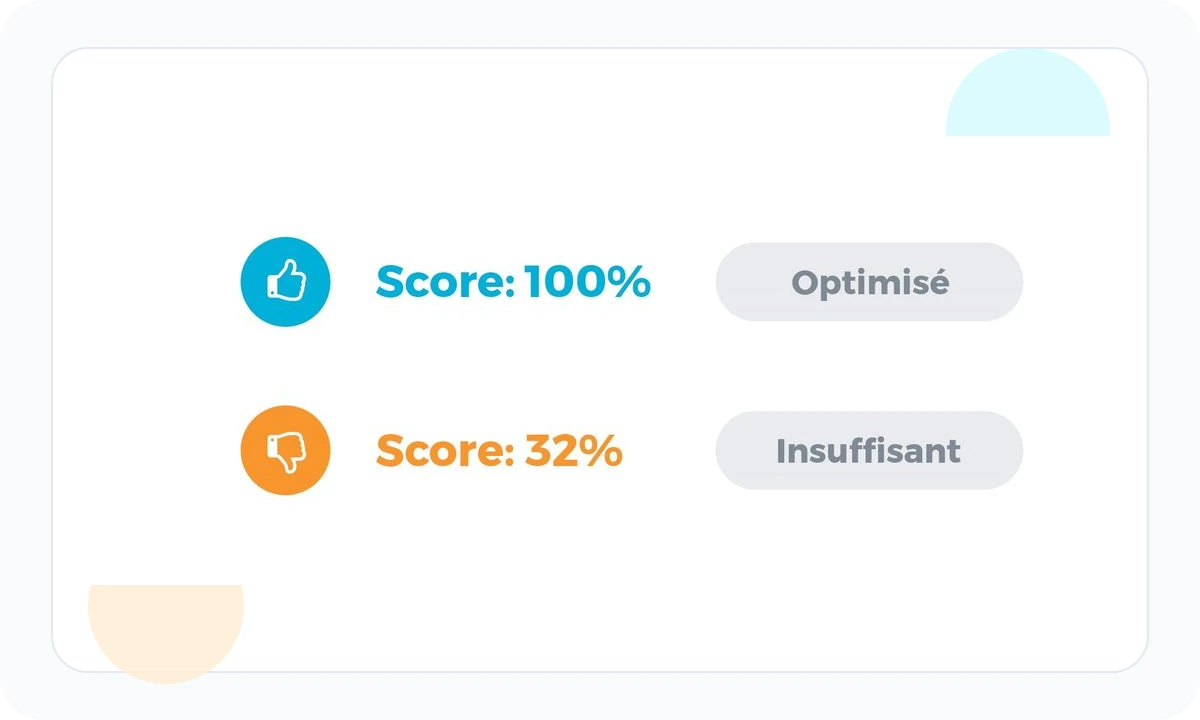
The score gives a simple reference to decide whether a page can be published, enriched, or reworked.
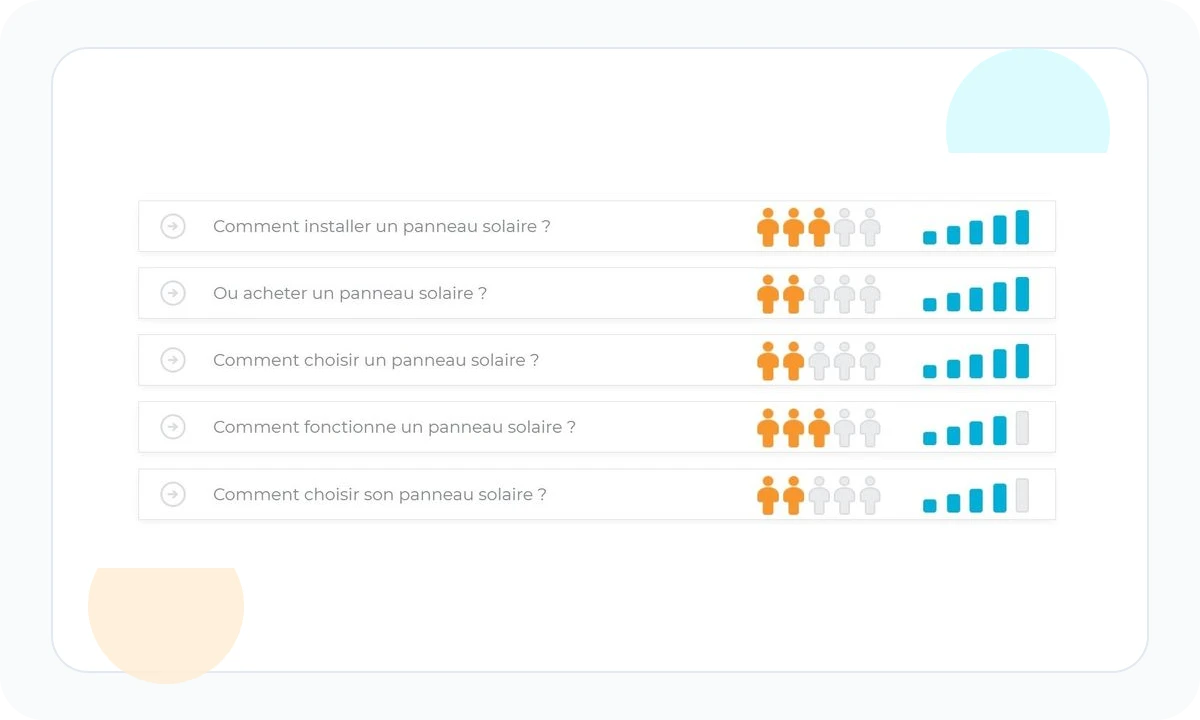
Questions help complete an article, create an FAQ, or spot a more precise editorial angle.
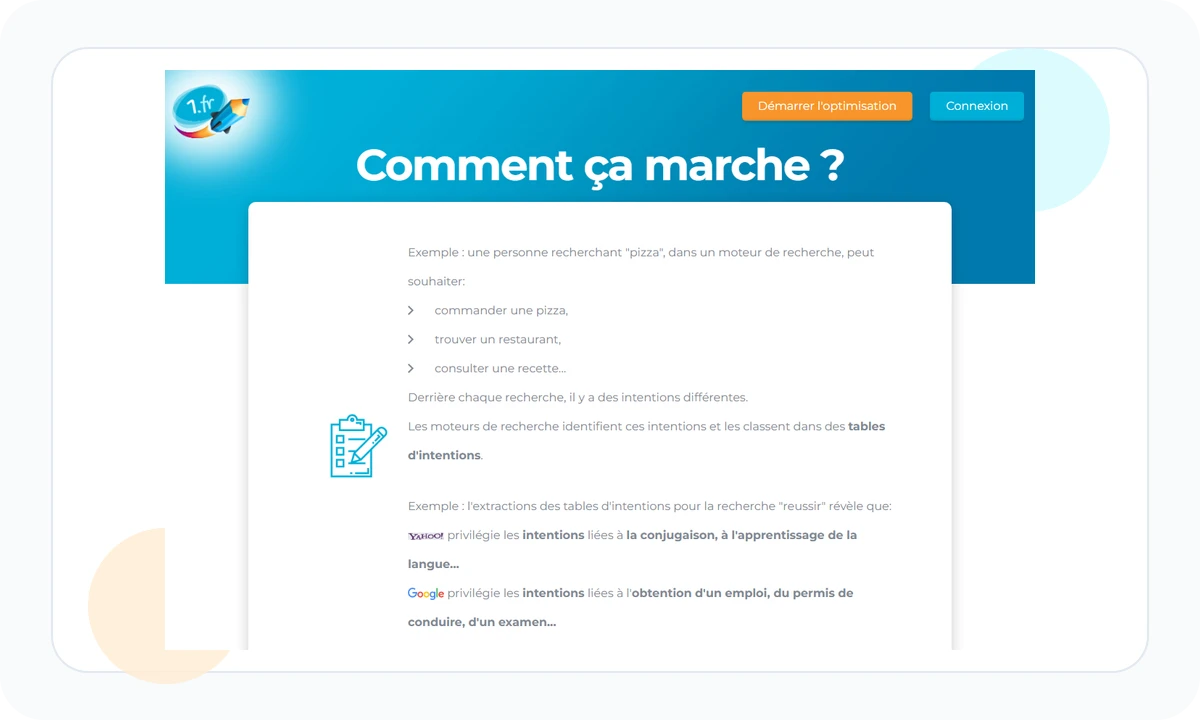
1.fr explains that engines classify different intentions and that copy should answer the right set of requirements.
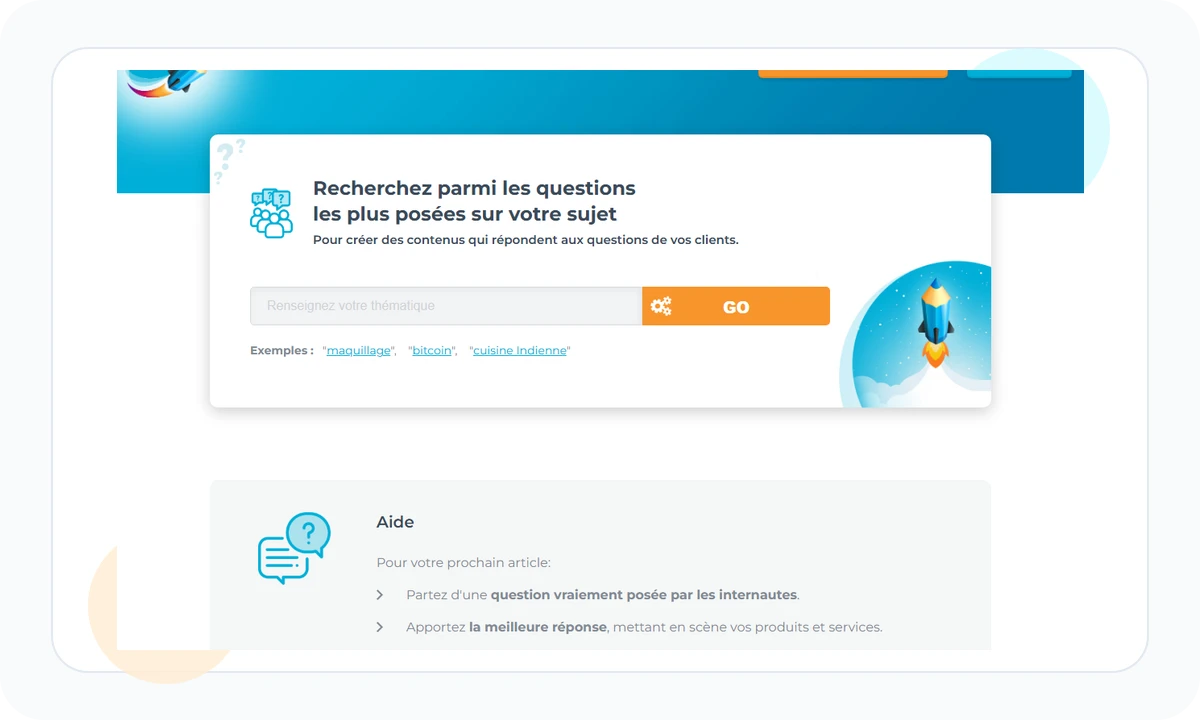
The question screen helps start from a real demand before building an article or section.
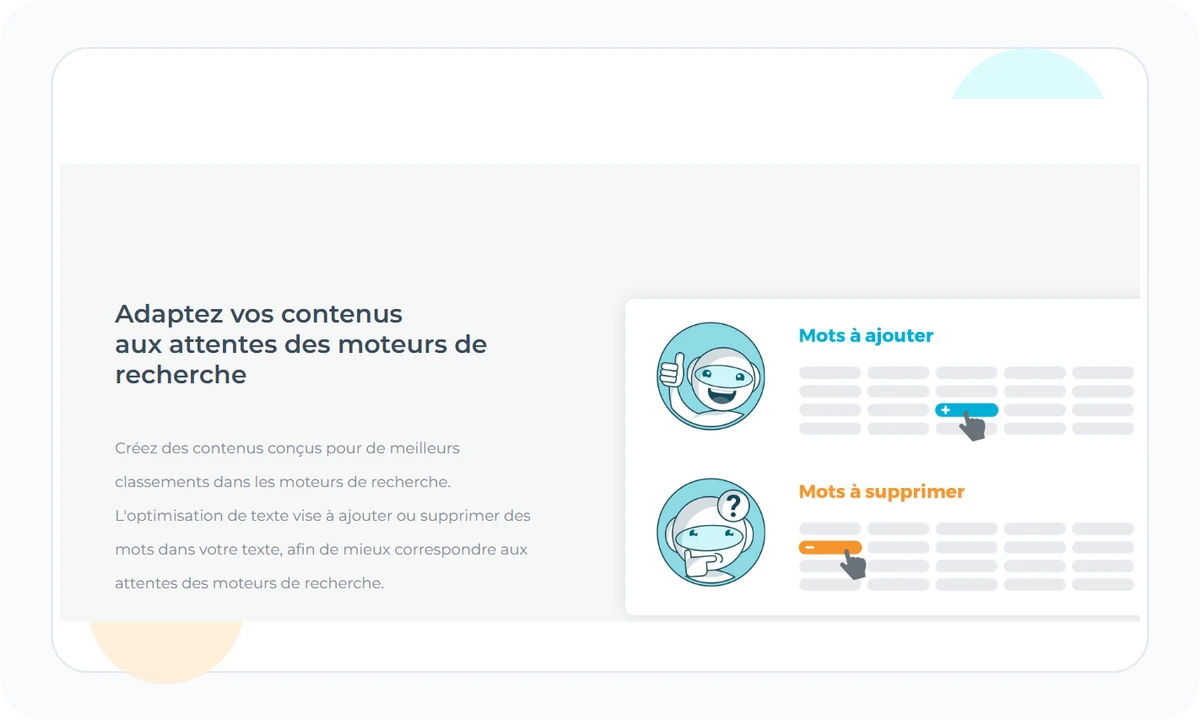
The page reminds readers that optimization means matching engine requirements better, not just making copy longer.
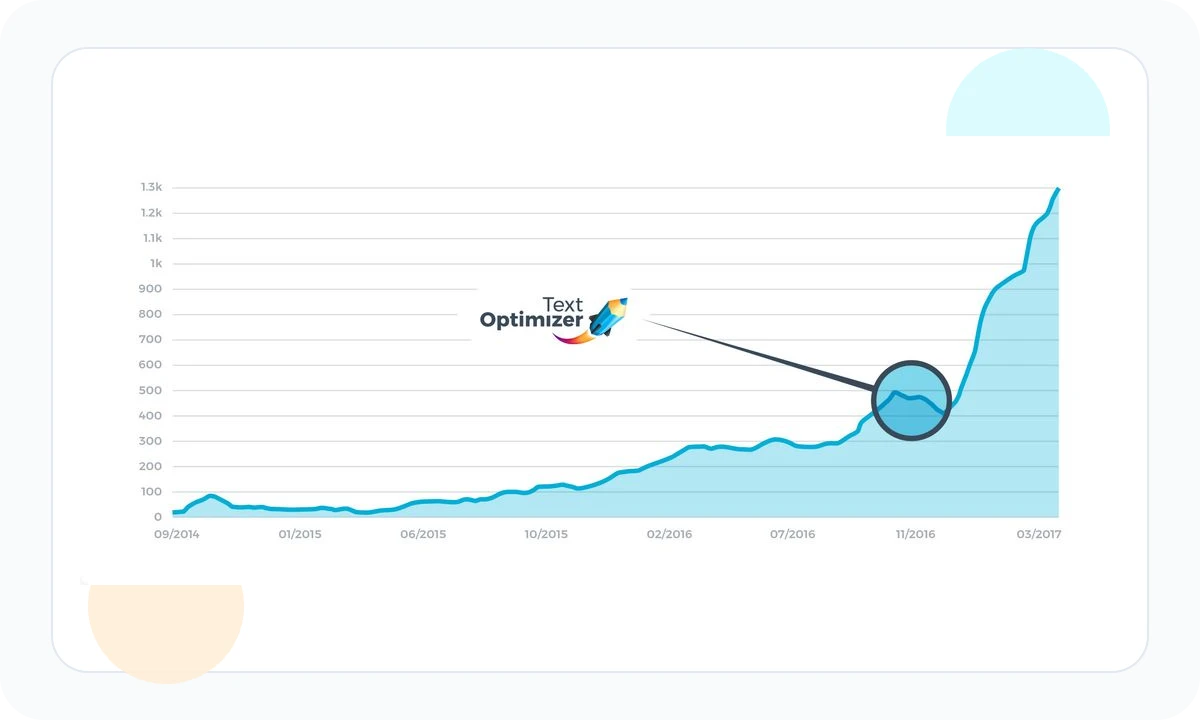
The public visual illustrates the goal: use recommendations to make a page more visible over time.
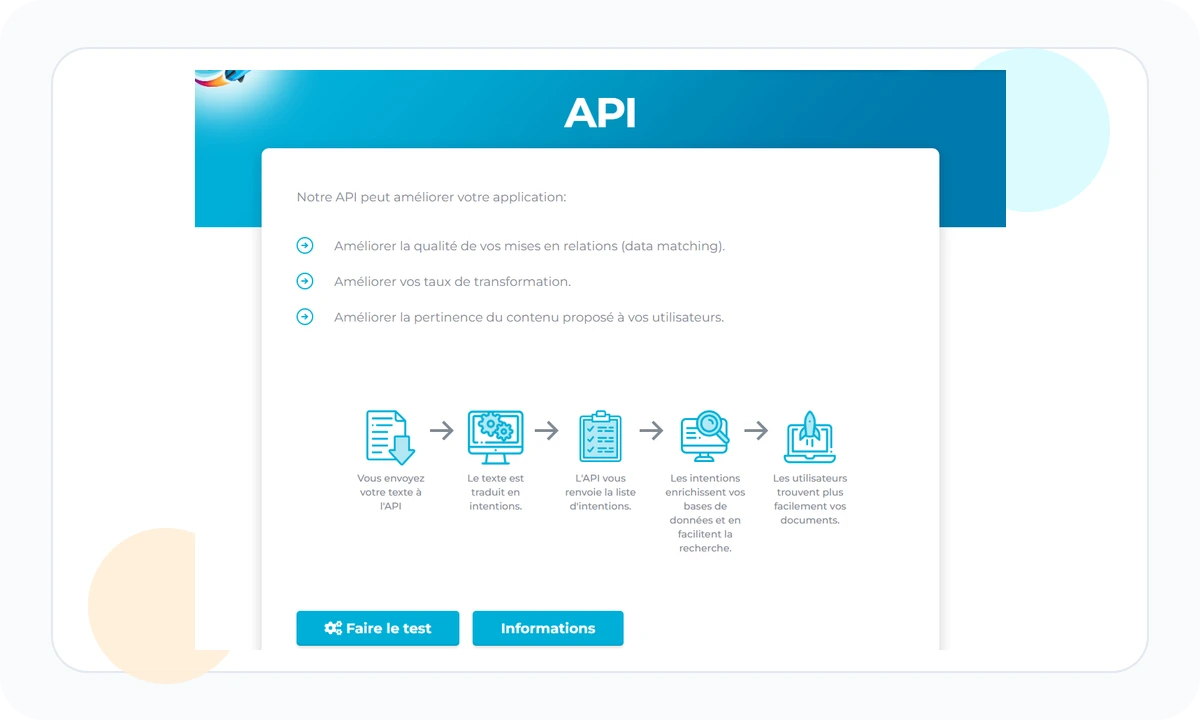
The public API page shows the principle: send copy, translate it into intentions, and use those signals in a database.
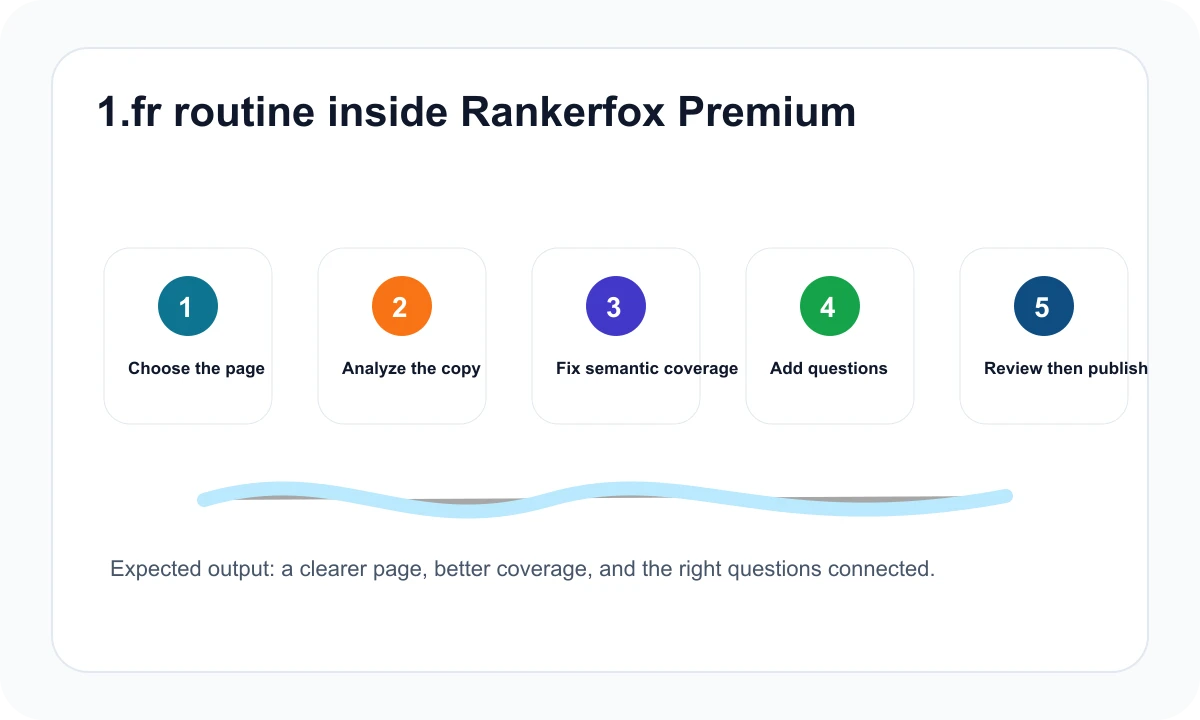
Inside Rankerfox, 1.fr is used as a semantic review step before publishing or after a first update.
A concrete 1.fr routine before publishing
A useful workflow starts from a real page, not an abstract idea: a URL, copy, a query, and an objective. 1.fr then becomes an editorial correction and semantic coverage tool.
Start from an existing URL, an article draft, or a commercial page that needs more clarity.
- Define the main query or phrase to work on.
- Check that the page already answers a precise purpose.
- Compare with Keysearch or Semrush if the SEO priority is unclear.
Read the score, terms to add, terms to remove, and consistency signals before editing the page.
- Note the recommendations that appear repeatedly.
- Ignore additions that do not help the reader.
- Identify thin or repetitive sections.
Add useful notions where they belong without overloading headings or paragraphs.
- Rewrite weak passages instead of stacking terms.
- Add examples, definitions, or decision criteria.
- Review flow after each round of edits.
Use questions to complete an FAQ, practical section, or connected article.
- Keep only questions close to the page objective.
- Answer clearly, without unnecessary detours.
- Connect the answer to proof, an example, or an action.
Compare the corrected version with the original need and prepare links from nearby pages.
- Do not publish only because the score increased.
- Check the title, introduction, sections, and conclusion.
- Plan follow-up after indexing or updating.
What 1.fr helps decide
A 1.fr session should end with a concrete action on a page or article, not just a score observation.
When the page already gets impressions or weak rankings and lacks lexical coverage.
When the structure is ready but some angles, questions, or useful terms are still missing.
When quickly produced copy needs to be reviewed, enriched, and made more natural before publishing.
When detected questions reveal objections or requests the page does not yet address.
Where 1.fr fits among content tools
1.fr is close to semantic tools, but its main value is quick copy review and concrete page adjustment.
YourTextGuru is a good fit for creating a full guide, organizing writing, and tracking structured production.
1.fr is more direct for checking a URL or copy, adjusting vocabulary, and completing questions before publication.
Text Optimizer helps enrich content around related ideas and concepts.
1.fr adds a score reading, add/remove recommendations, and a very readable question search workflow.
DinoRANK connects content, visibility, audits, cannibalization, and tracking inside a broader suite.
1.fr stays focused on editorial correction for a precise text and its lexical consistency.
Keysearch measures opportunity, reads SERPs, and helps decide which page deserves work.
1.fr comes after that decision to improve the selected page and check what it actually covers.
Which Rankerfox plan includes 1.fr?
The trial helps verify Rankerfox access, discover the general organization, and understand available tools before choosing.
The Standard plan already covers several SEO and marketing needs. 1.fr belongs to the advanced selection.
1.fr is presented in the Premium plan, alongside advanced tools for content, semantic optimization, research, and SEO analysis.
Rankerfox pages to read around 1.fr
See how 1.fr fits into an improvement method with guides, scores, structure, and proofreading.
Create a fuller SEO guide before moving into review and copy adjustment.
Validate the query, difficulty, and SERP before working the page in 1.fr.
Explore phrases and variants before choosing the main phrase to optimize.
Complete semantic review with another tool for ideas, concepts, and content enrichment.
Frequently asked questions about 1.fr with Rankerfox
These answers clarify 1.fr's role, its plan, and how to use it with the surrounding Rankerfox tools.
Add 1.fr to a Premium SEO review routine
Compare Rankerfox plans, choose the level that fits your workload, then use 1.fr to improve a page before publication or update.